





To answer the phone in Japanese, start with the physical action on your device, then follow with the correct greeting. Mastering how to answer the phone in Japanese means combining the technical know-how of your iPhone or Android with the cultural etiquette of polite phrases and honorifics.
How to answer the phone in Japanese: first steps on your device
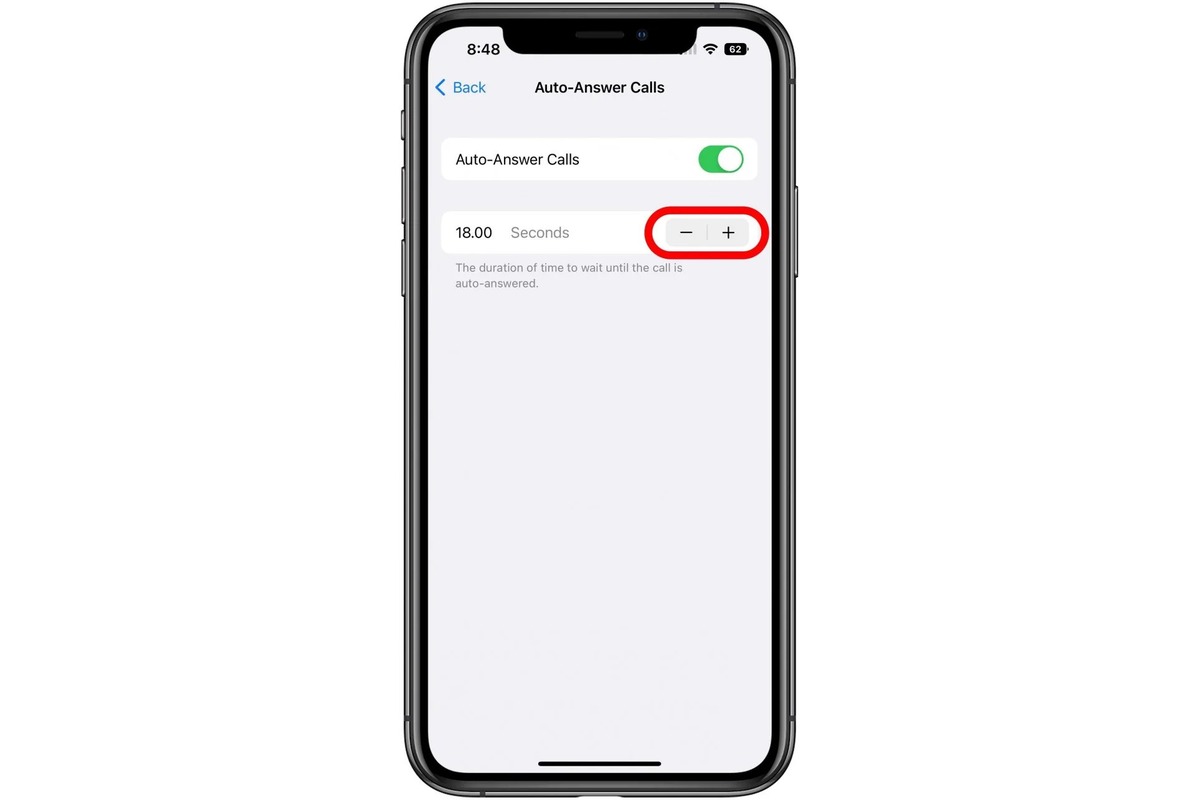
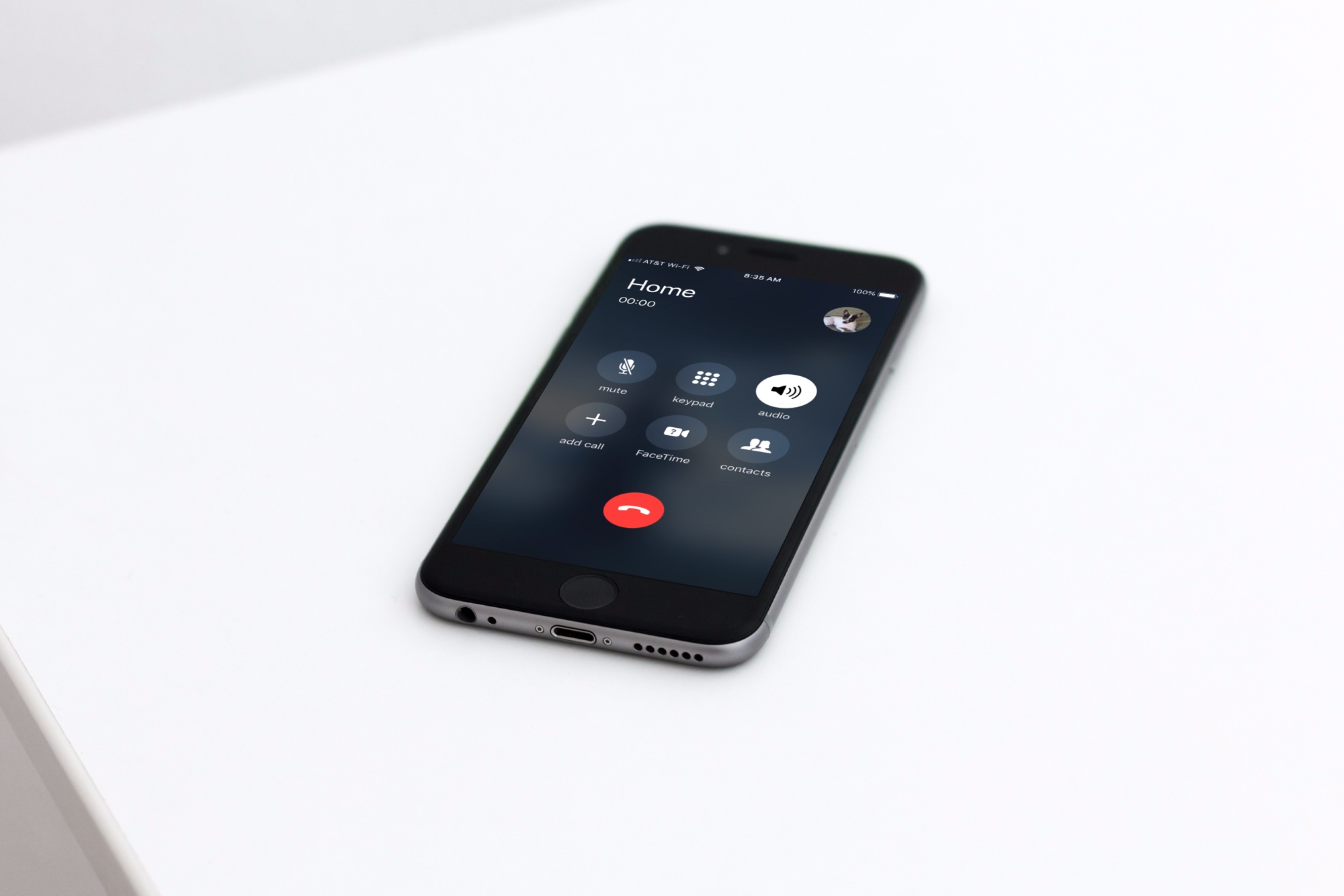
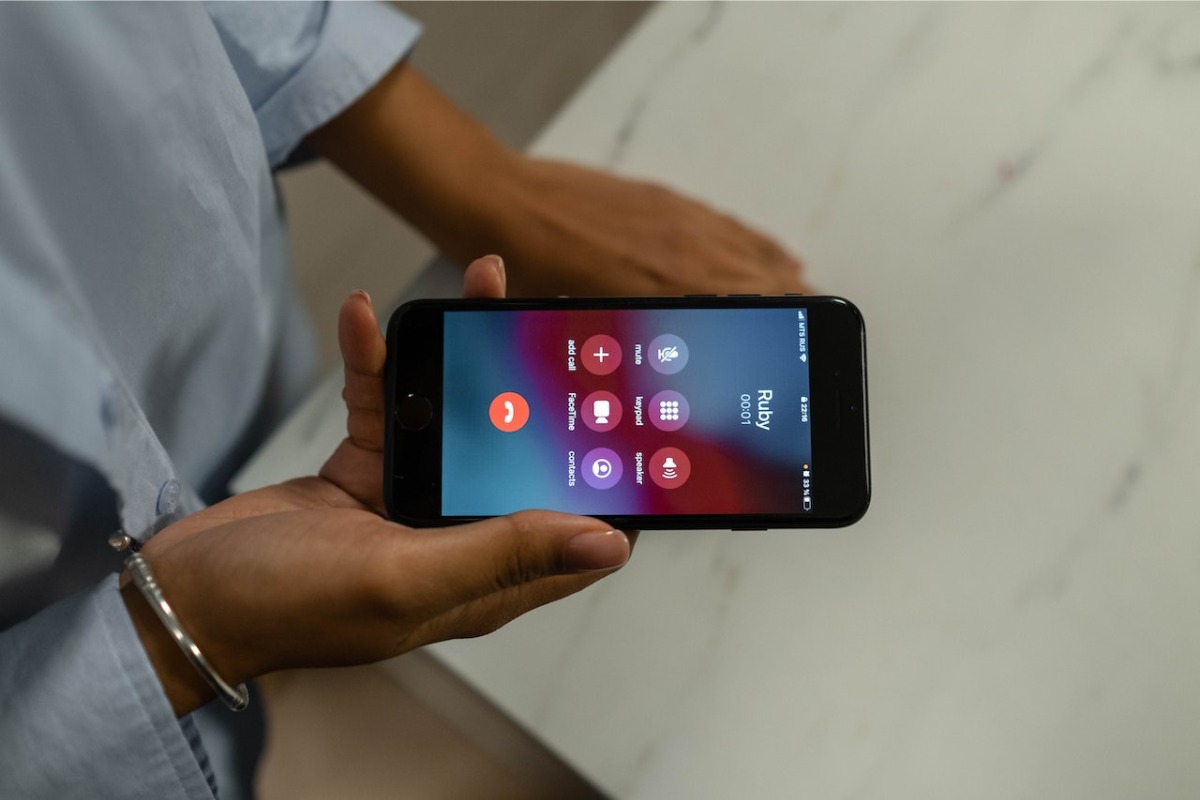
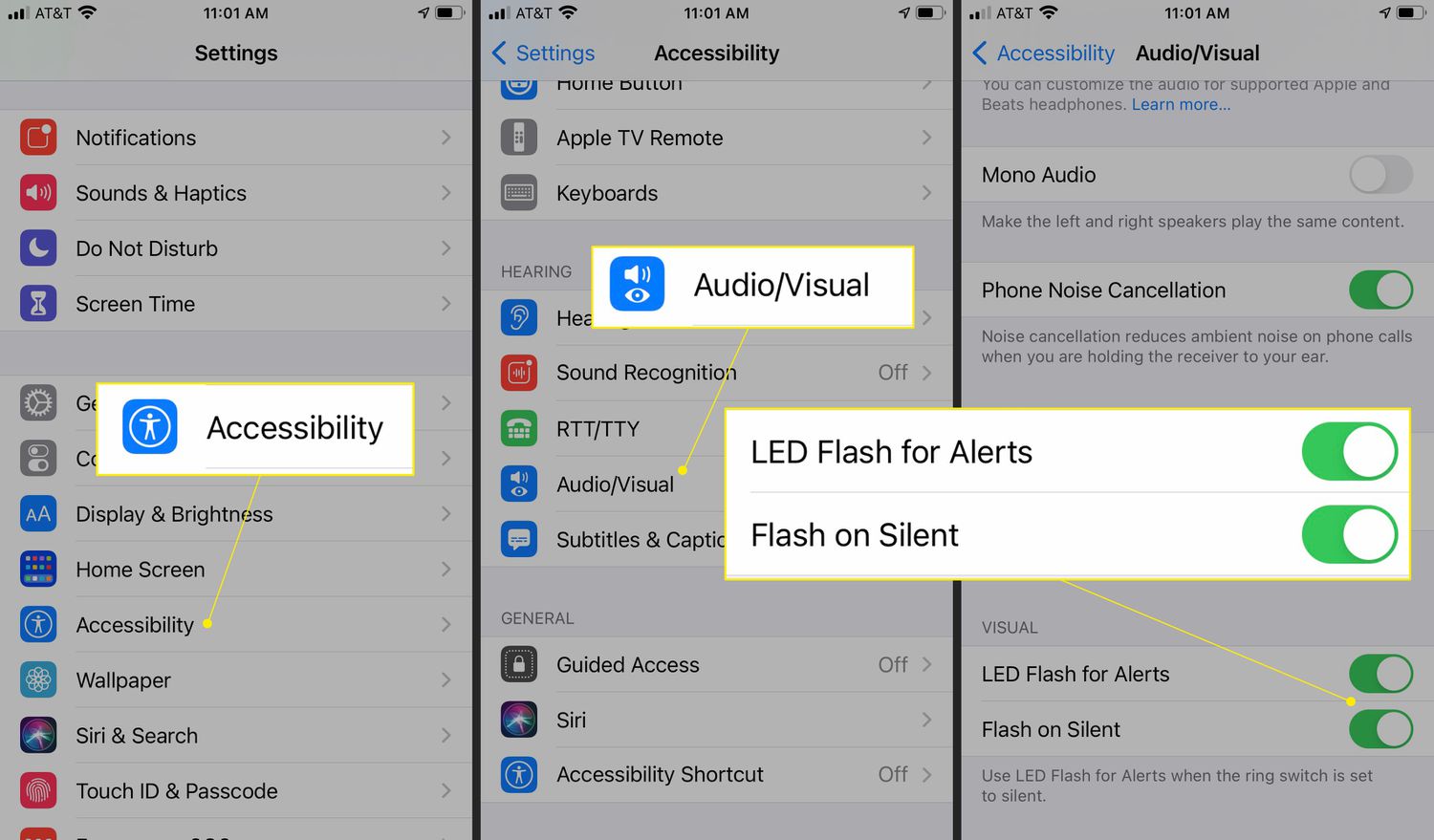
Before any language is used, you need to handle the incoming call on your device. On an iPhone, tap the answer control, or if the phone is locked, drag the slider. To silence a ringing call without declining it, press the side button or either volume button; you can still answer the call before it goes to voicemail. To decline a call, press the side button twice quickly, tap the decline control, or swipe up on the call banner. For call audio routing and auto-answer, go to Settings > Accessibility > Touch > Call Audio Routing to choose an audio destination; in the same area, turn on Auto-Answer Calls and set the delay using the plus/minus controls.
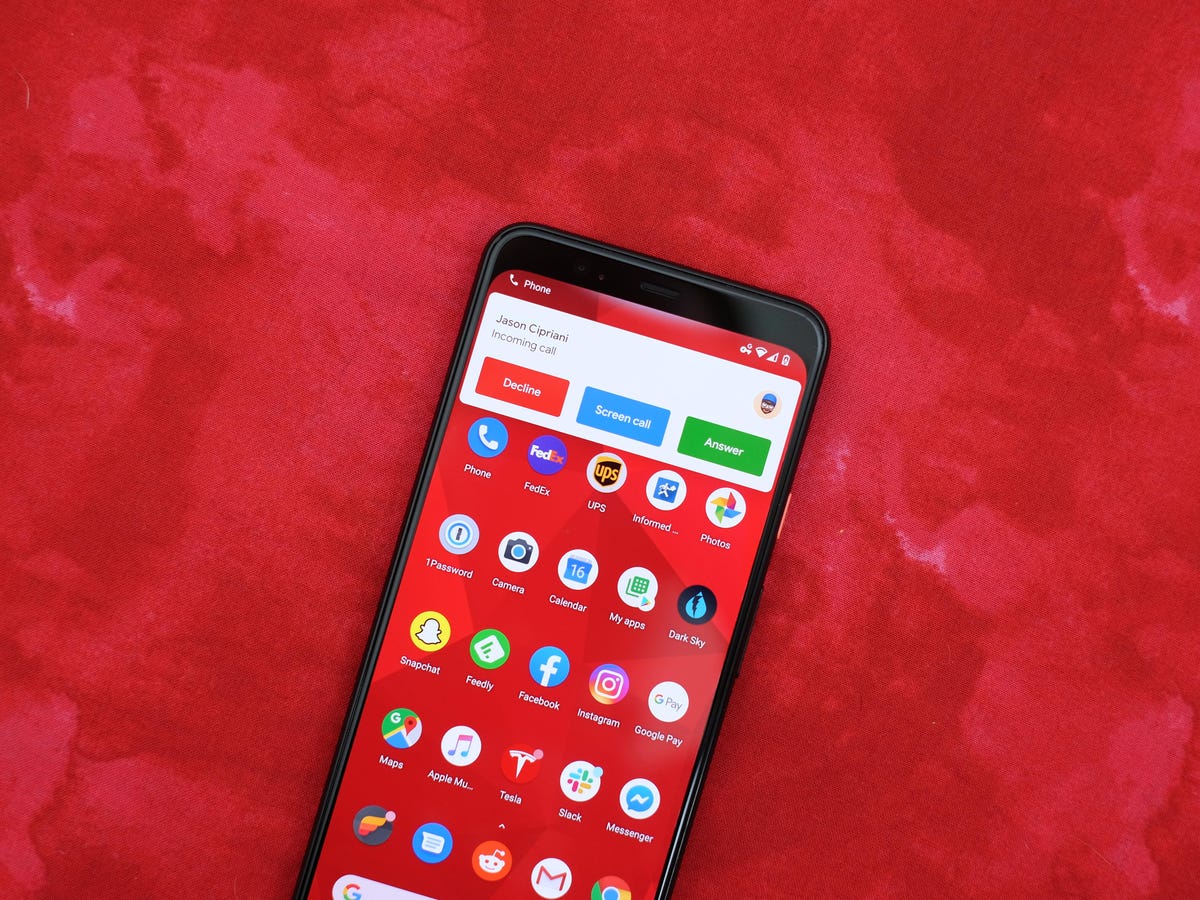
On Android, the exact steps depend on the Phone app and device. Google’s support pages document call-screening and call-settings paths rather than a special “answer in Japanese” mode. For Call Screen setup, open the Phone app, tap More > Settings > Spam and Call Screen or Call Screen, then tap Call Screen. Protection levels include Maximum, Medium, and Basic protection. To edit Quick responses, open the Phone app, tap More > Settings > Quick responses, then select and edit a response. For call sound settings, open the Phone app, tap More > Settings > Sounds and vibration. On Pixel devices, you can turn Direct My Call on or off via the Phone app’s More > Settings menu, and Clear Calling via the phone’s Settings app. Google Assistant on Pixel 4 and later, including Fold, can accept or decline a call with voice commands like “Answer” and “Decline.”
Greeting and introducing yourself in Japanese
The essential first words when answering the phone are “Moshi moshi,” which is equivalent to saying “hello” in English. After the greeting, state your name politely. You can simply say your name followed by “desu,” which means “is.” For example, “John desu.” In formal situations, use polite language and honorifics when introducing yourself. Examples include: “Moshi moshi! Watashi wa John desu” (Hello! This is John), “Moshi moshi! Ore wa Tom desu” (Hello! This is Tom, using a more casual tone), or “Moshi moshi! Koko wa Tanaka desu” (Hello! This is Tanaka speaking, using a more formal tone). Adapt your greeting and introduction based on the formality of the call and your relationship with the caller.
Formal and informal Japanese phone etiquette
Understanding the differences between formal and informal communication is crucial. In formal settings, such as business contexts, start with a polite greeting like “Moshi moshi” or state your organization’s name followed by “desu.” Use honorific language, addressing the caller with titles like “san” or “sama” along with their surname. Speak clearly and concisely, avoiding slang. End the conversation politely with phrases like “Arigatou gozaimashita” (Thank you very much) or “Osewa ni narimashita” (Thank you for your assistance).
In informal phone conversations with friends or family, a simple “Moshi moshi” is usually sufficient. Use casual language and colloquial expressions, first names instead of honorific titles, and informal speech patterns. Be warm and friendly, engaging in small talk. End the call casually with phrases like “Ja, mata ne” (Well, see you later) or “Ja, ne” (See ya).
Common Japanese phone phrases you should know
Knowing common Japanese phone phrases helps you navigate conversations effectively. Here are practical phrases for thanking, holding, transferring, and ending calls politely:
- Moshi moshi, The most common greeting when answering the phone, meaning “Hello” or “Hi.”
- Osewa ni natte orimasu, Expresses gratitude for previous assistance, translating to “Thank you for your support.”
- Odenwa arigatou gozaimasu, A polite way of saying “Thank you for calling.”
- Moushiwake gozaimasen ga, tadaima seki wo hazushite orimasu, Informs the caller the person they want is temporarily away: “I am sorry, but the person you are looking for is not available at the moment.”
- Kakunin sasete itadakimasu, “Let me confirm that for you,” used when verification is needed.
- Omachi kudasai, “Please wait,” used when putting the caller on hold.
- Goyouken wa nan deshou ka, “What is your business?” or “May I ask why you are calling?”
- Otesuu desu ga, “I apologize for the inconvenience, but…” used to politely request a favor or additional information.
- Tantousha ni otsutae itashimasu, “I will pass along your message to the person in charge.”
- Onawagi itashimasu, “I will transfer your call.”
Handling phone calls with politeness and respect
Answer the call with a polite and professional tone using “Moshi moshi.” Introduce yourself by stating your name and, if applicable, your company or organization. Practice active listening by avoiding interruptions and allowing the caller to express themselves fully before responding. Use polite and respectful language throughout, including honorifics like “san” and formal sentence endings like “desu” and “masu.” Maintain a calm and gentle tone of voice, speaking clearly and understandably. If you encounter a difficult situation, remain composed, gather your thoughts, and find a polite and diplomatic solution. When ending the call, express gratitude for the conversation, thank the caller for their time, and politely say goodbye, offering assistance or follow-up if needed.
Frequently Asked Questions
How do I answer the phone in Japanese?
In Japanese, when answering the phone, you can say “Moshi moshi.” This phrase is commonly used to greet the caller and is equivalent to saying “Hello” in English.
Is "Moshi moshi" the only way to answer the phone in Japanese?
While “Moshi moshi” is the most common way, there are other variations depending on context. In a more formal setting, you might say “Sumimasen,” which translates to “Excuse me.”
Are there any other greetings commonly used on the phone in Japan?
Yes, besides “Moshi moshi,” you might also hear “Ogenki desu ka?” meaning “How are you?” This phrase is often used when answering calls from friends or family members.
Do I need to use honorific language when answering the phone in Japanese?
It is not necessary when speaking to friends or family. However, in formal or business settings, it is advisable to use polite language and add honorifics such as “-san” when addressing the caller.
Can I use English when answering the phone in Japan?
While using Japanese greetings like “Moshi moshi” is the norm, some people answer in English, especially in international or English-speaking environments. It is always polite to ask the caller which language they prefer to communicate in.
Where can I find help with phone numbers and calling features on my device?
For device-specific help, refer to your phone’s support documentation under categories like Phone Numbers, Calling and Messaging Help, which cover settings for call screening, auto-answer, and audio routing.
For the wider topic, see phone numbers and calling help.
Related reading: How To Turn Off Automatic Answer On IPhone, How To Turn On Speaker Phone, and How To Hold Phone.