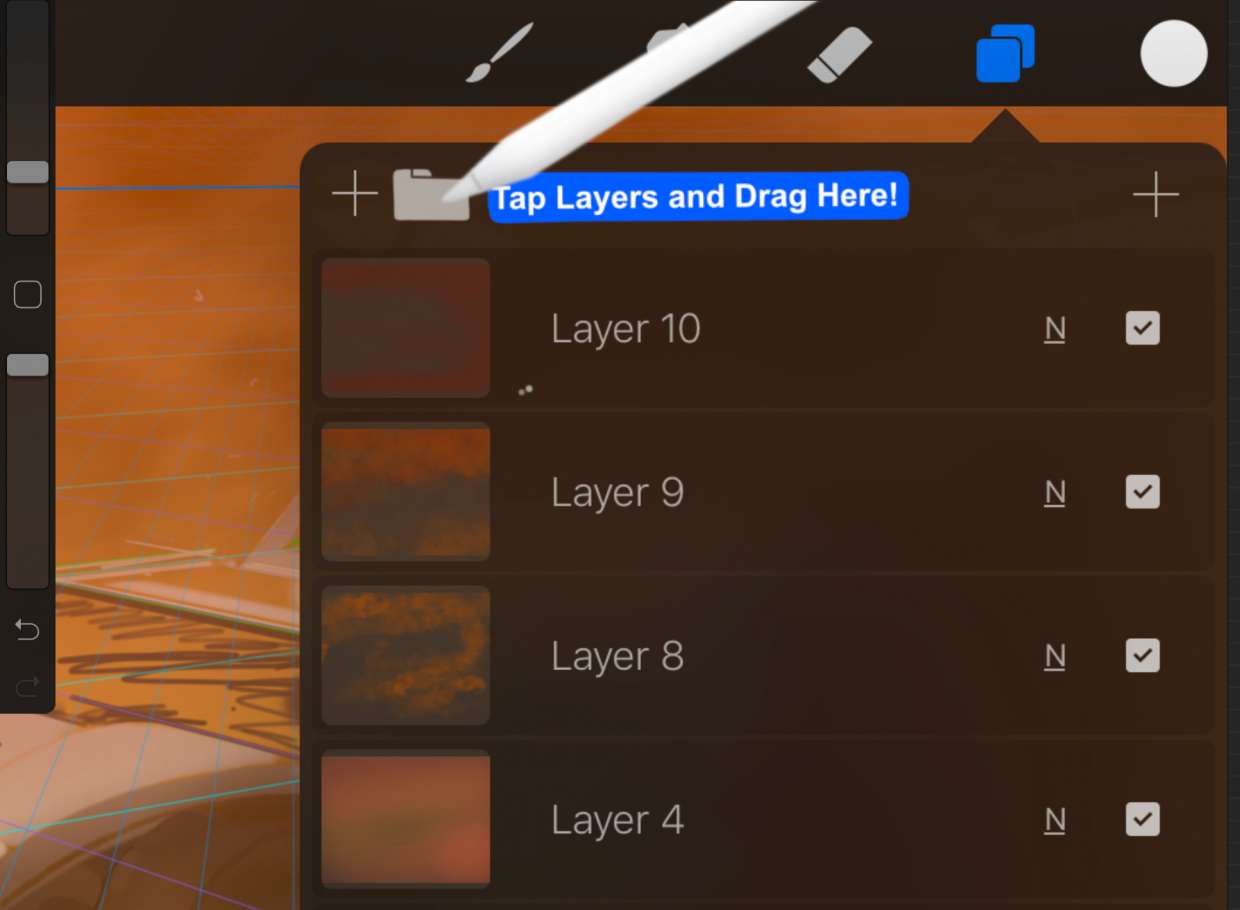





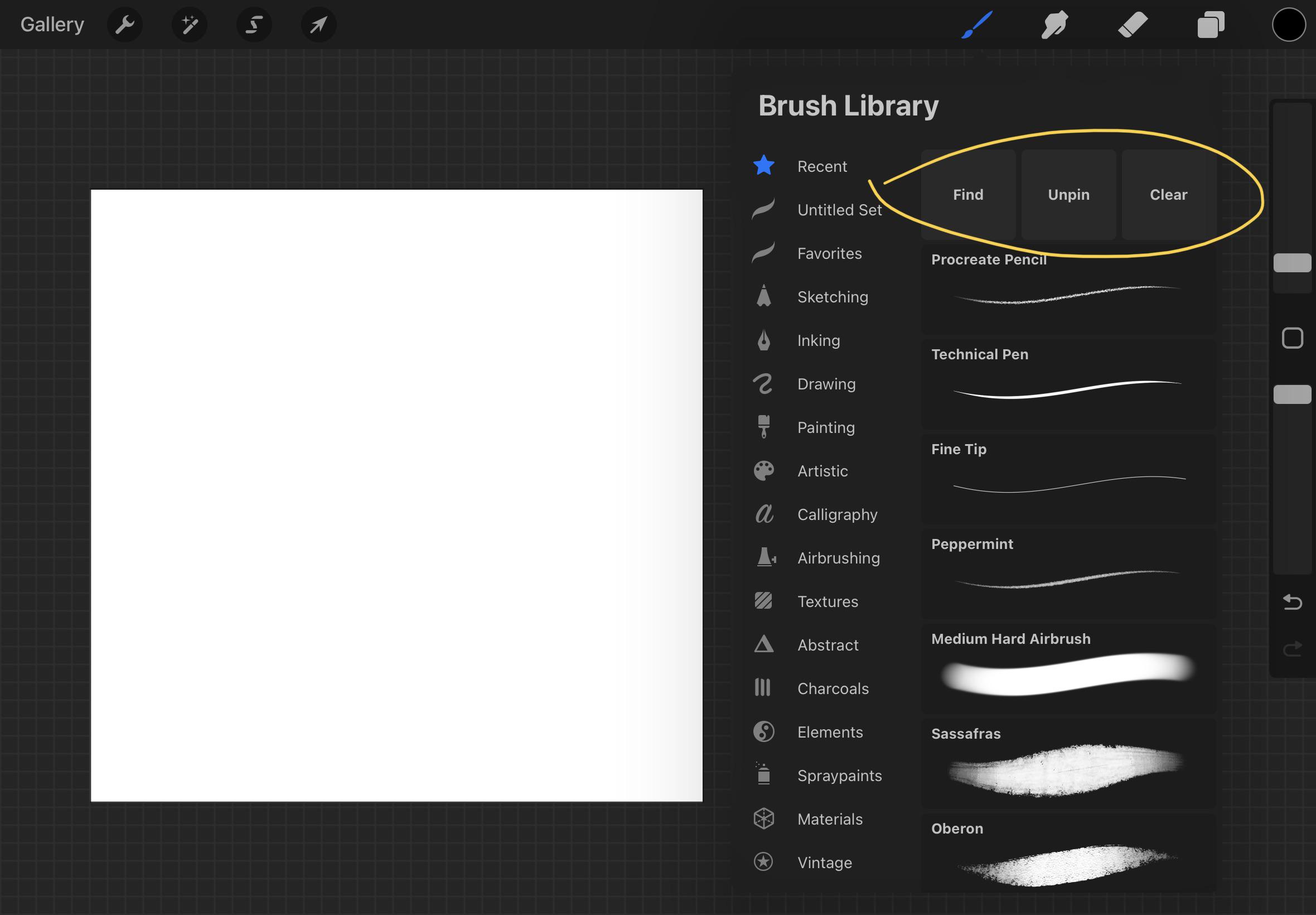
The fastest built-in way to duplicate a brush in Procreate is to swipe left on the brush in the Brush Library and tap Duplicate. You can also tap and hold the brush and select Duplicate from the pop-up menu, which creates an exact copy with a swoop icon and a numbered name like "Vintage 1."
How to duplicate a brush in Procreate
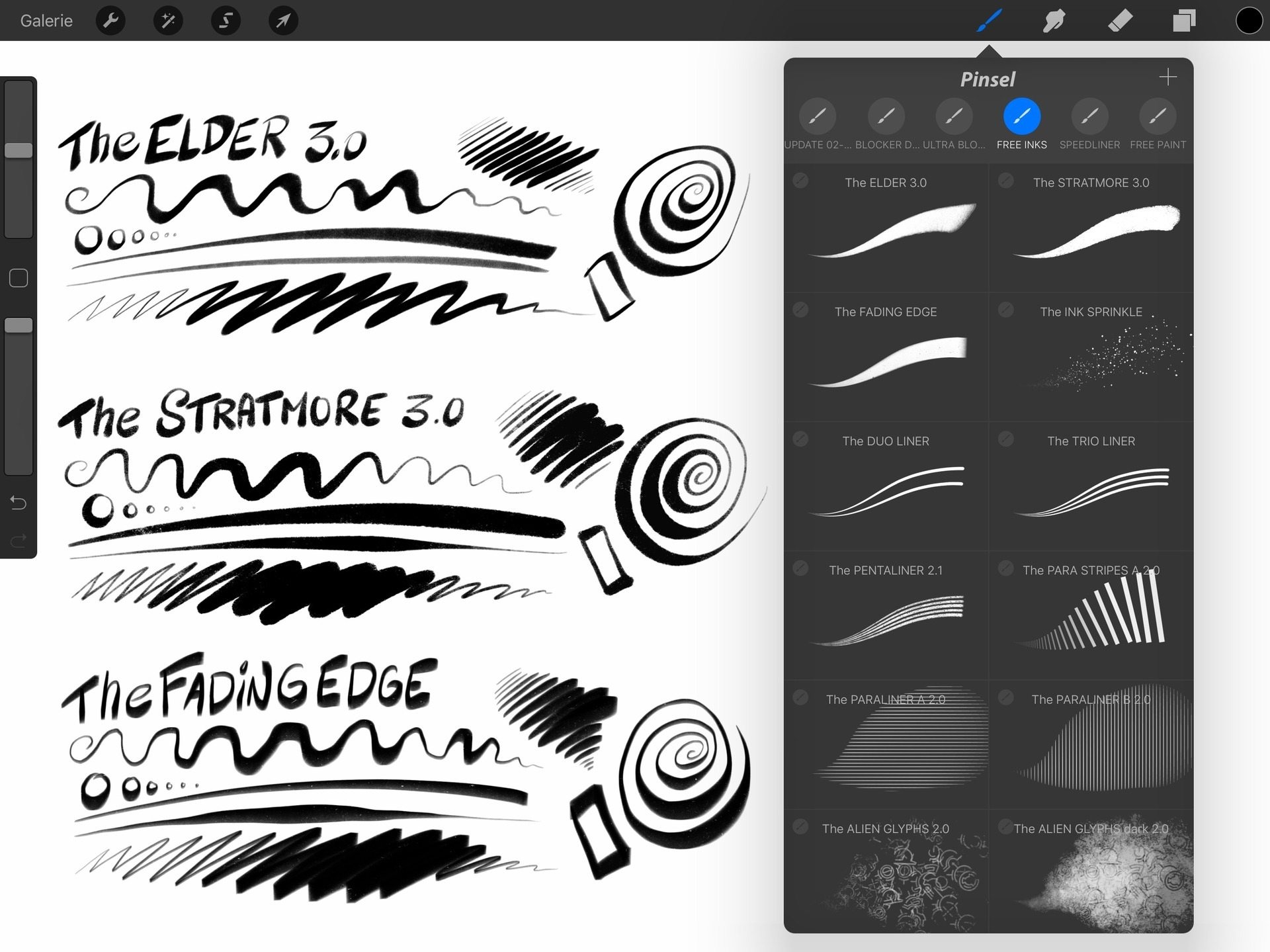
Open the Brush Library by tapping the Brush button. To duplicate a single brush, swipe left on the brush and tap Duplicate, or tap and hold the brush and select Duplicate from the menu. For a single brush, you can also tap on the brush to bring up the Brush Library, then tap the Duplicate button (icon of two overlapping squares) at the bottom. The duplicated brush is named 'Copy of [original brush name]' when using the Duplicate button method. To duplicate a brush within a duplicated set, tap and hold on the brush thumbnail until the options menu appears, then choose Duplicate. For an entire brush set, tap the set, then tap Duplicate; the exact copy appears below the original. Duplicated brushes show a swoop icon, and the copy name uses the original name plus a number, such as Vintage 1.
Why duplicate a brush?
Duplicating keeps the original unchanged so you can safely experiment with Brush Studio settings. It is the documented first step for creating custom brushes, because editing a copy protects your original brush from accidental changes.
How to edit your duplicated brush
Tap the duplicated brush twice to open Brush Studio. Inside Brush Studio, you can adjust shape, grain, dynamics, and other properties to create a new custom brush. This is the documented way to build a similar brush: duplicate an existing brush, then edit the copy. When creating a similar brush from scratch, you can adjust advanced settings like Jitter, Noise, and Dual Brush to add complexity and texture. You can customize the dynamics of the brush (tilt, pressure, speed, angle) to further refine its behavior when creating a similar brush.
How to export and import brushes
To share a brush, open the Brush Library, tap the brush, then use the Share option to save it as a .brush file. You can export a brush by tapping the brush settings icon at the top-right corner of the screen, scrolling to the Share option, and choosing Save Image to export as a .brush file. To import a brush back or onto another device, tap the + icon in the Brush Library and select Import from the Files app. If you have a .brush or .ABR file online or in email, tapping it shows a prompt to import it into Procreate Pocket.
Combine two brushes into one
Use the Combine feature to merge two single brushes from the same set into a new Dual Brush. The two brushes must be in the same Brush Set, cannot already be Dual Brushes, and default Procreate brushes cannot be combined unless you duplicate them first.
Device compatibility and limits
These methods work on Procreate for iPad and Procreate Pocket. There is no documented Android support for these brush features, and no numerical limit on how many duplicates you can make. The pages retrieved do not state a minimum iPadOS or Procreate version requirement for brush duplication.
Frequently Asked Questions
Can I delete a duplicated brush in Procreate?
Yes. Select the duplicated brush from the Brush Library, swipe left on the brush name, and tap Delete. This removes the duplicated brush from your library.
Can I rename a duplicated brush?
Yes. After duplication, the new set is treated as a custom set, which means you can Rename it. Tap the brush name and enter a new name to identify it.
Does duplicating a brush affect its performance or file size?
No. Duplicating a brush creates an exact copy of the settings and attributes without changing performance.
Can I duplicate brushes for coloring, shading and rendering in Procreate?
Yes. Duplicating brushes is the first step for creating custom tools for coloring, shading and rendering in Procreate, because it lets you experiment with Brush Studio settings without losing the original.
What happens if I try to combine default Procreate brushes?
Default Procreate brushes cannot be combined unless you duplicate them first. After duplication, the copies are treated as custom brushes and can be merged using the Combine feature.
Related reading: How To Make Folder In Procreate.