





Setting up your discord mobile status
Your Discord mobile status is the foundation of your profile, shaping how you appear to friends and communities. The most reliable way to hide your phone activity is to set your status to Invisible, which is the documented method to always appear online on Discord mobile if you want to mask that you are on a handset. You can change status in Discord mobile from Online or Idle to Do Not Disturb or Invisible whenever you need to signal availability.
Discord does not provide a field to change your age on Discord mobile 2022 or in the current app. If you are prompted to verify your age, the platform uses an age assurance flow instead: you select Take a selfie, grant camera permission, record a short video following the on-screen guide, and tap Done to submit. Because this is a verification step rather than an editable field, the option only appears when a server or feature requires proof of age.
Some customisation options you might expect are not built into the official mobile app. There is no documented way to change background on Discord mobile, and the help pages do not include a native control to flip your camera on Discord mobile. If you need to switch lenses, check whether your phone’s system tray provides a quick toggle while the call is active, as the app itself does not surface that control in its current documentation.
Connecting with people
Building your circle on the go starts with knowing where to look. The quickest way to pull in a new contact is to add people on Discord mobile by tapping their profile in a server or group chat and selecting Add Friend. If you are standing next to the person, you can skip the username hunt and scan QR codes on Discord mobile to quickly add them as a friend.
When a text chat turns into a longer conversation, the guide for mobile users highlights joining a voice channel by tapping its speaker icon rather than waiting for a ring. Once you are in a call, you screen share on Discord mobile by tapping the screen-share icon in the voice controls, which streams your phone’s display to everyone in the channel. Outside of Discord, the same real-time collaboration is built into Messenger, and you can use Facebook Messenger screen share during any active video or audio call on your handset. If your group prefers a simpler device, the starting point is to make a group chat on a Gabb phone by selecting contacts and creating the group, which keeps everyone connected without the open internet.
Managing your contacts and privacy
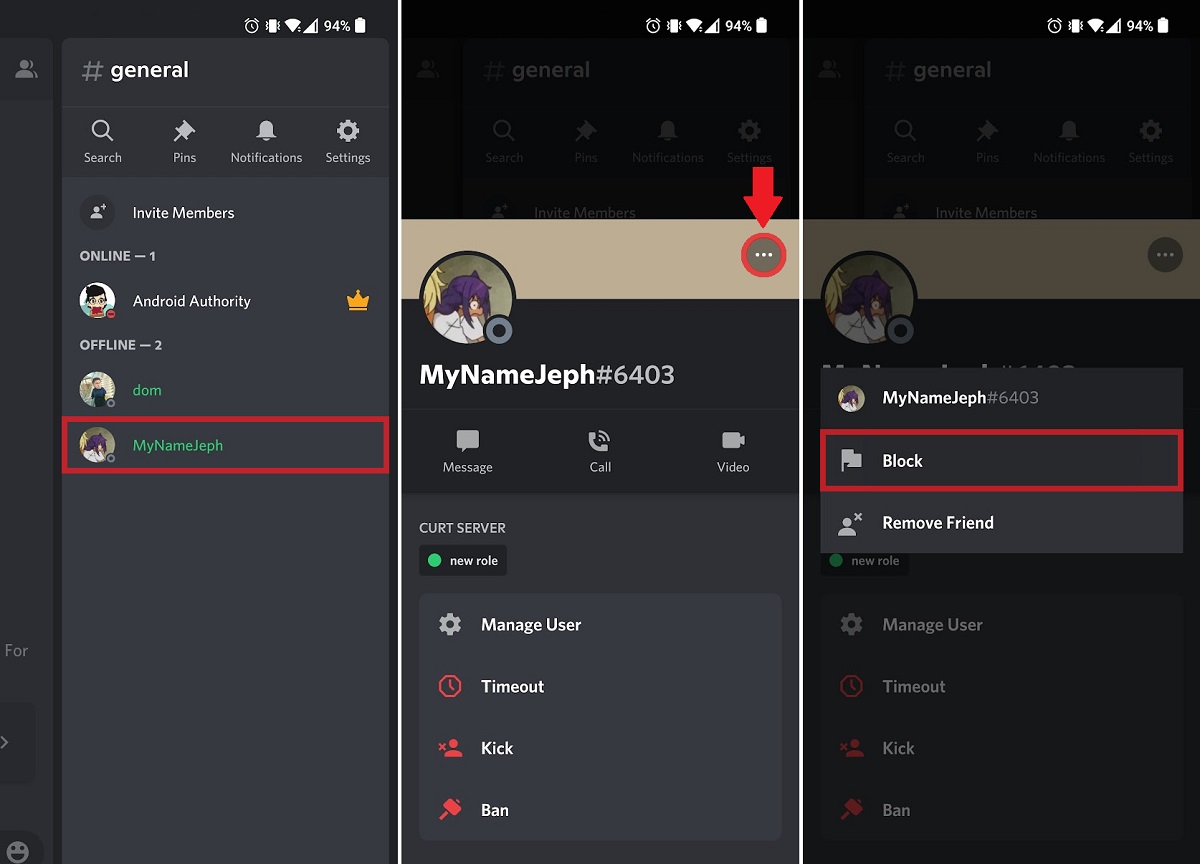
You can block people on Discord mobile the moment a direct message or server interaction crosses a line. The most direct route from inside a community starts in the channel: tap the person's profile picture, then tap the ellipsis in the top-right to find the Block command. The same option also lives on their profile in your Friends List or an open DM. If you later decide to restore contact, you can unblock someone on Discord mobile, though the official help page does not give a separate step-by-step unblock path. To review your full restriction list at any time, you need to see blocked users on Discord mobile, but the exact current mobile menu path is not clearly documented in the retrieved official help snippet. Because these privacy controls are tied to your personal account rather than a server role, they remain available even when moderation tools are hidden. Outside of Discord, ending a session on another platform follows its own logic, and the steps to sign out of Slack mobile differ entirely from Discord’s account-switching flow.
Running a server from your phone
Most day-to-day moderation is within reach once you know where the app hides it. The universal starting point is tapping the server name while viewing the server list, then hitting Settings in the bottom-right corner. From there, Roles is where you define what your team can actually do.
If you need to ban someone on Discord mobile, tap their name anywhere in the server and Discord’s interface sometimes lets you skip straight to the ban without an extra tap. A lighter touch is just as quick when you timeout someone on Discord on mobile. Because these tools are permission-gated, a missing button almost always means an admin needs to adjust your role first.
Building a staff team starts with a single promotion. The path to make someone an admin on Discord mobile runs through Server Settings > Roles, where you can assign the Administrator permission, and granting the crown is instant once you navigate to the right profile. A similar flow exists to make someone a moderator on Discord mobile through Server Settings > Roles, though the role you assign should carry a narrower set of permissions. The distinction between the two roles lives entirely in the permission switches you toggle before you ever hand them out.
Defining what each role can actually do happens inside the role editor. Every permission switch controls a specific action, from kicking members to managing webhooks, and toggling the wrong switch gives a moderator the power to delete channels, so reviewing each category carefully prevents accidental demolition. The color and name of a role matter less than the permissions underneath them, and a role that looks official but carries no actual authority only confuses the rest of the server.
Role hierarchy determines who can manage whom. A higher role can assign and remove any role below it, but can never touch roles above its own position, and dragging roles into the correct order on the mobile screen sets the chain of command in stone. This ordering also controls who can timeout someone on Discord on mobile, because the timeout permission only works on members with a lower-ranked role. Placing your moderator role above the general member role but below your admin role creates a clean escalation path.
Community structure starts with clear expectations. The tool to make a rules channel in Discord mobile may be tied to community features, not the regular channel creation flow. Activating the community features may unlock a dedicated rules channel that Discord treats differently from a normal text channel, and members may see it before they can send their first message. The channel accepts the same formatting as any other, so you can organize your code of conduct with headers, bullet points, and bold warnings.
A rules channel only works if people actually read it, and placing it at the very top of the channel list removes any excuse for missing it. The membership screening feature may add a second layer by requiring newcomers to agree to the rules before they can type. Pairing a visible rules channel with a brief welcome message that links directly to it reinforces the standard from the moment someone joins.
Custom expression gives a server its personality. The option to make stickers on Discord mobile is tied to the server’s expression configuration, and the app may require a specific image format and size before it accepts the upload. Once approved, the sticker becomes available to anyone with the permission to use external stickers in that server. Stockpiling a few custom stickers tied to inside jokes turns a generic chat into a recognizable home.
Emoji and soundboard clips follow a similar upload pattern, living in the same expression area as stickers and sharing the same file requirements. A well-stocked expression library rewards active members and gives your moderation team a lighter way to react to minor rule bending without dropping a formal warning.
Notification behavior ties directly into the server’s notification configuration, and the default setting often buries important announcements under a flood of meme replies. Switching the global notification preference to mentions-only quiets the noise for everyone, while individual channels can override this so an announcements channel can force notifications while an off-topic lounge stays silent. Teaching your members how to adjust their own notification preferences cuts down on the number of people who mute the entire server out of frustration.
Audit logs provide a paper trail for every moderation action. The log lives inside the server configuration and records who banned someone, who changed a role’s permissions, and who deleted a message. Filtering the log by action type helps you track down a specific event without scrolling through days of routine activity. A quick audit log check resolves disputes about who did what and when they did it, which keeps your moderation team accountable to the same rules they enforce.
Adding automated help
When you are ready to offload repetitive tasks, the most common path to add bots in Discord mobile starts in your phone’s browser rather than inside the app itself. Open the bot’s invite link in Safari or Chrome, pick your server from the dropdown, and tap Authorize; the bot then appears in your member list with an APP tag. Because the exact steps vary by bot, you will want to check that your role already has the Manage Server permission, otherwise the server may not show up as an option.
Once a bot is in your community, you can build a self-serve role menu where members pick their own tags by tapping an emoji. A typical way to create reaction roles on Discord mobile sends you to the bot’s web dashboard, where you configure reaction roles and link each emoji to a specific role. For the setup to work, the bot needs the appropriate permissions in that channel, and one message can carry multiple reaction roles to form a complete menu. If you prefer a cleaner mobile experience without scrolling through emoji, some bot dashboards let you use button roles instead.
Choosing which helper to invite comes down to the features your server actually needs. A practical starting point is to look at the 7 best free Discord moderation bots to keep your server organized. The shortlist that appears across bot-focused communities typically includes Carl-bot, Zira, Dyno, and MEE6, each offering a slightly different dashboard for reaction roles and automod. No official ranking exists, so treat any list as a curated suggestion rather than a guaranteed fit, and always grant only the permissions the bot genuinely requires.
Customizing your expression
Custom flair on a server is about more than just emoji reactions. Once your role grants you the right to manage expressions, the upload option for stickers and animated emotes appears inside Server Settings > Emoji or Server Settings > Stickers instead of staying hidden. If you have ever wondered why the upload button is missing, the answer circles back to permissions: an admin must grant the Create Expressions permission for your role before the interface opens up.
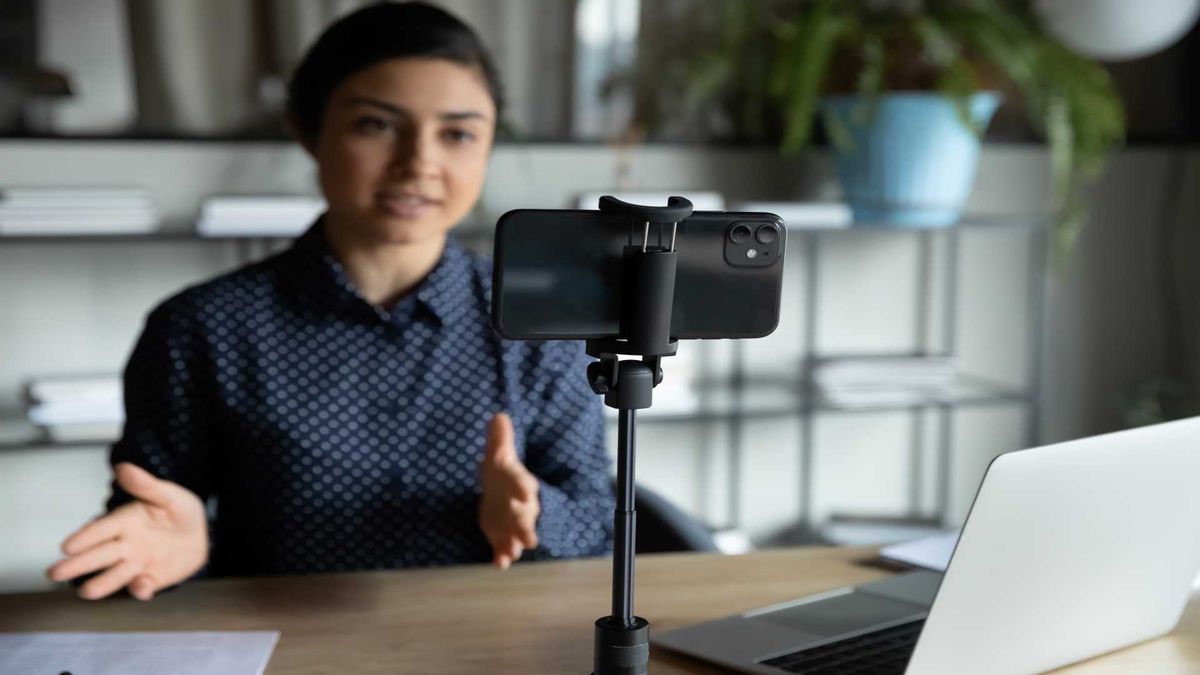
For personal visual touches that go beyond the server, you might want to use your phone as a webcam on Discord to bring a full camera feed into a voice channel. The sticker picker and emoji selector both pull from what the server owner has approved, so the exact library you see depends entirely on the community you are in. A freshly joined server will feel visually sparse until the mod team builds out its collection, and the mobile app keeps these creative controls tucked behind the server name at the top of your screen, following the same pattern as every other permission-gated tool on the platform.
Accessing your data and cross-platform settings
When you want a full copy of your account history, Discord builds a ZIP folder of your messages, server activity, and configurations. The file is delivered to the email tied to your account. You start the request from User Settings under Data & Privacy. The wait can stretch up to 30 days, so this is not a same-day download. Once the email arrives, you will need to know how to open Discord data package files. The export arrives as a compressed folder that your operating system does not automatically unpack into a readable format.
Cross-platform preferences are less about one big export and more about the toggles that follow you between devices. A good example sits outside Discord itself. If your kid plays on a phone, you may need to change chat settings in Among Us Mobile to switch between Free or Quick Chat and Quick Chat only. The game’s own account controls determine what appears in the text box regardless of which device they launch it on. Back inside Discord, any control that feels missing on your phone almost always traces back to the permission structure covered earlier. A single missing toggle on your role hides the button entirely.
Frequently Asked Questions
How do I make someone an admin on Discord mobile?
Open Server Settings by tapping the server name then the Settings gear, go to Roles, and toggle the Administrator permission on for that role. The option only appears if your own role already has the Manage Roles permission enabled.
Can I change my age on Discord mobile?
Discord does not provide an editable age field in the mobile app. If a server or feature requires proof of age, the platform triggers an age assurance flow where you record a video selfie and submit it for verification.
Does Facebook Messenger screen share work on iPhone and Android?
Yes, Messenger screen sharing is available on mobile devices during any active video or audio call. The feature is not available on computers, according to the Messenger Help Center.