



How to pair wireless earbuds using pairing mode
To pair wireless earbuds and headphones correctly, the first real step happens on the headphones themselves. Many sets use a long press of the power button or a dedicated Bluetooth button to broadcast their name, though the exact timing and feedback vary. When you need to sync Sony wireless headphones to a new source after the first-ever power-on, you typically hold that button for several seconds until you hear a pairing voice prompt and see the indicator flash. The process shifts slightly if you are trying to sync Sony wireless earbuds, as some true wireless models may enter discovery when removed from the charging case for the initial setup.
JBL relies on a distinct visual cue. To pair JBL headset models, you press the pairing button and watch for the LED to flash while it searches. Not every device behaves identically out of the box. When you set out to pair my JVC wireless headphones, check for a flashing light that typically signals the headphones are visible. If you need to pair my JVC wireless earbuds from a powered-off state, you may need to activate pairing mode manually. To pair JVC gumy wireless earbuds, remove both buds from the pod and wait for them to power on, after which the set may be ready for your phone to find it.
Connecting to an iPhone or iPad
Once your earbuds are in pairing mode, open the Settings app and go to Settings > Bluetooth. They will appear under Other Devices; tap the name to complete the initial handshake and stay within about 33 feet of your iPhone or iPad while it finalizes. If you need to connect earphones to iPhone after that first pairing, they should rejoin automatically whenever the wireless radio is on and they are powered up.
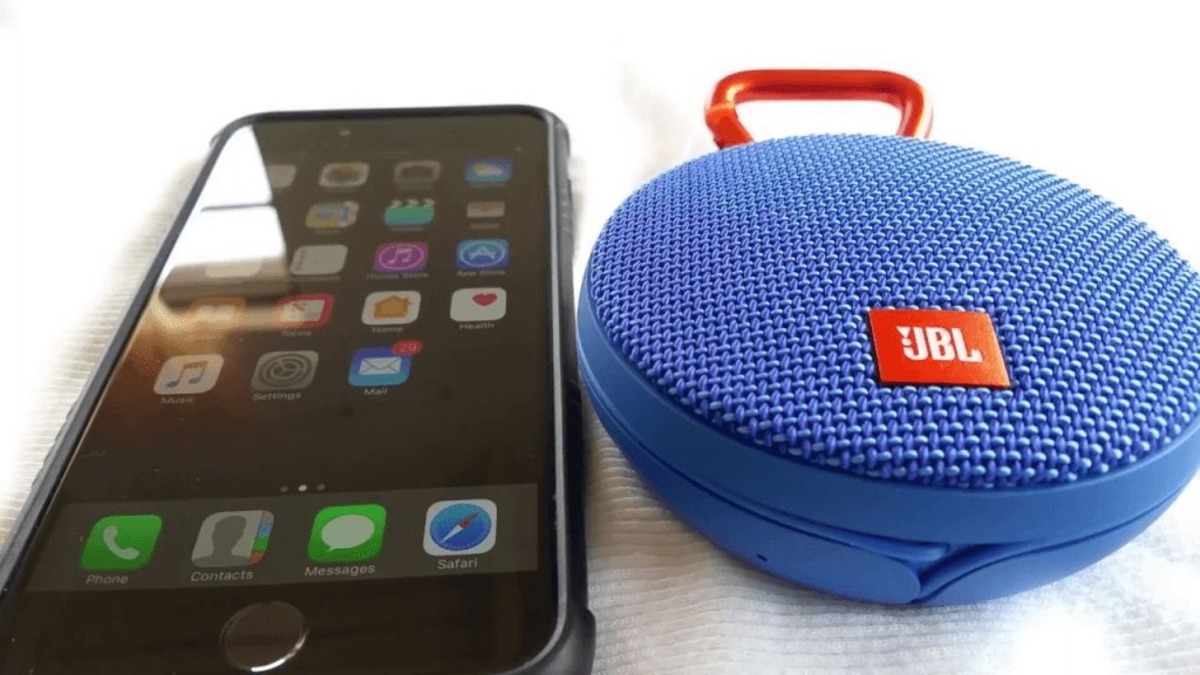
Not every accessory announces itself the same way. When you connect Brookstone wireless earbuds to iPhone, put them into pairing mode and select them from the device list. If they do not show up, check the printed manual for the exact button sequence. The process is similar when you connect a JBL speaker to an iPhone; if the JBL device needs a particular pairing action, follow the accessory instructions, which makes the speaker visible the moment the LED starts alternating colors.
If a device refuses to appear or keeps dropping, the fix is to unpair it and start fresh rather than tapping the entry repeatedly. Go into the gadget’s info screen and choose Forget This Device, then put the accessory back into pairing mode. Some also ask about wired options like the 13 amazing Apple headphones lightning connector for 2024, which bypass the wireless radio entirely and link up through the Lightning port without any handshake steps at all.
Connecting to an Android phone or Samsung
For most Android phones, including Samsung Galaxy devices, the path is consistent. Open Settings, navigate to Connected devices or Connections > Bluetooth (menu names vary by phone model), and make sure the switch is on. Then look for your earbuds under Available devices. A pop-up may ask you to confirm by tapping Pair. The real sticking point with lesser-known brands is not the phone menu but the earbuds themselves. They must be actively broadcasting before the phone can see them. Many people skip that step.
Getting JLab Earbuds Into Pairing Mode
When you need to connect JLab earbuds to your phone, open the case, remove the earbuds, and wait until one earbud blinks blue and white, which means they are ready to pair. One side should blink to signal it is discoverable. If the name does not appear under the available devices list, you likely need to reset them. Forget the device first, then follow the manufacturer's reset procedure for your specific model.
Resolving Raycon Visibility Issues on Samsung
If you are trying to connect Raycon earbuds to a Samsung phone and they refuse to show up, the standard Samsung Bluetooth path is Settings > Connections > Bluetooth. You should first forget any previous pairing record from the list of saved gear.
Pairing Headphones with a Galaxy S20 FE
The same logic applies across brands. To connect headphones to a Samsung S20 FE, the phone scans from the Bluetooth settings screen. The obstacle is almost always that the headphones are still latched to another device. They may also have not entered pairing mode.
Triggering JBL Discovery Mode
To connect JBL wireless earbuds to a phone, no official JBL pairing steps were retrieved, so the exact button hold or gesture cannot be confirmed here. If the alternating blue-and-white LED never appears, check the printed guide for the exact gesture.
Forcing Tozo Earbuds to Broadcast
To connect Tozo wireless earbuds, no official TOZO pairing steps were retrieved, so the exact method to trigger broadcast cannot be confirmed here. If they stay silent, returning them to the case and repeating the removal often forces the signal.
The underlying rule is that tapping the pair button repeatedly does nothing if the initial handshake is broken. Forgetting the device and pairing fresh is the reliable fix.
Connecting to a laptop or computer
Adding headphones to a laptop follows the same core logic as a phone, though the menu paths differ between operating systems. On a Windows 11 machine, the route is Settings > Bluetooth & devices > Add device > Bluetooth, while on Windows 10 it is Settings > Devices > Bluetooth & other devices > Add Bluetooth or other device > Bluetooth. On a Mac you go through System Settings > Bluetooth and look for the headphone name once it is broadcasting. The crucial preparation is making the headphones discoverable before you click anything on screen, usually by holding a power or Bluetooth button until an LED pulses.
If you need to add JBL wireless headphones to laptop, the JBL support documentation confirms the Windows path, with the only extra requirement being that the earbuds or headphones are actively in pairing mode so the computer can detect them. Bose provides a similarly clear sequence for Mac: you open Bluetooth from System Settings, confirm the switch is on, put the headphones into pairing mode, then click Connect and wait for the status to change to Connected. For wired use, Bose also notes the computer’s 1/8-inch (3.5 mm) audio output jack is always an option that skips wireless entirely.
Jabra’s documentation underscores a less visible requirement: the computer must have an A2DP (Advanced Audio Distribution Profile) driver installed to transfer music. Modern systems typically include this, but it is worth checking if audio sounds thin or mono. Several other major headphone brands follow the same pairing principles, with the main variable being the button combination that triggers discovery mode.
Getting the headphones into the correct state is the universal first step. Most models use a dedicated button or a multi-function power switch that you hold for a specific number of seconds until a light flashes blue or white. This active search signal is the only way a new host device can see the headphones. If the earbuds were previously tied to your phone, you may need to disconnect that link first, as some devices can maintain multiple pairings but only one active link at a time.
The computer’s wireless interface needs to be active and searching. On Windows, you can quickly toggle the radio from the Action Center, and on a Mac you can use the menu bar or the Control Center. Once you open the relevant panel, the system scans for signals and populates a list of available gadgets. You select the correct name to initiate the handshake. Sometimes a passkey is required; check your device's manual for the default code if prompted.
Managing the link after the initial setup is just as important. You can usually click on the device name in your computer’s device panel to manually sever or re-establish the link. The system should remember the pairing for future use, and when you power the headphones on again, they often seek out the last known host automatically. If they do not, you can go back into your computer’s device list and select them to force the reconnection.
Troubleshooting a failed handshake often comes down to clearing old data. If the headphones appear in the list but will not pair, you should remove or "forget" them from the computer’s memory and start the pairing process fresh. Resetting the headphones themselves can also clear internal memory conflicts; check the manual for the specific button hold sequence that restores factory defaults, which often resolves persistent issues where the devices refuse to recognize each other.
Specific brands offer tailored instructions for their ecosystems. To connect the Bose wireless headphones, the official guidance emphasizes sliding to the Bluetooth symbol and holding until the voice prompt confirms the ready state, after which the computer should list them immediately. If you need to connect my sennheiser wireless headphones, the process relies heavily on voice prompts in multiple languages, with the headphones announcing their status clearly as you navigate the computer’s interface simultaneously.
To connect Jabra wireless headphones, the core method relies on the physical buttons on the earcup; you hold the multi-function button until the LED flashes blue, and the computer’s wireless list then shows the Jabra device. To connect Blackweb wireless headphones, the general pairing process applies, as these budget-friendly models often use a simple power switch that you turn off and then hold for an extended period until the lights alternate, allowing the computer to detect them as a standard audio device.
Pairing by brand: Sony, Bose, JBL, and Philips
If you need to pair Sony wireless earbuds, the process itself is straightforward but the exact trigger varies by model, so check the printed guide if holding the case button does nothing. On an iPhone, once the earbuds are flashing, you open Settings > Bluetooth and tap the headset name when it appears. Sony officially documents that full functionality can depend on your iPhone supporting the Hands-Free Profile and meeting the minimum iOS version for that specific model.
When you want to connect JBL wireless earphones, the core sequence is the same as other brands, but you may want to read the dedicated guide to confirm the correct button combination for your specific model. If you own a different model and need dedicated guidance, you can look up how to pair Sony wireless earbuds for a more detailed walkthrough, or follow the same general steps for other devices.
- pair Philips wireless headphones
- connect JBL wireless earphones
- connect Onn wireless earphones
- pair Sony wireless earbuds
Troubleshooting speakers and stubborn connections
When a speaker refuses to pair, the problem is often that it behaves differently from headphones, staying latched to the last phone it touched and ignoring new requests. If you are pairing a JBL speaker to a phone and nothing appears in the available devices list, ensure the speaker is in pairing mode, because a speaker sitting idle is not necessarily looking for a new companion. Should the link drop repeatedly, the quickest path is to unpair the device from your phone’s connection menu, turn the speaker off and back on, and then pair JBL wireless speaker fresh. For earbuds, the same reset logic applies. When you need to connect JBL wireless earbuds to phone after they have been linked to a laptop, open the phone’s Bluetooth settings, confirm Bluetooth is active, and select the earbuds from the list. If they do not appear, returning them to the charging case and removing them again often forces the signal.
Frequently Asked Questions
How do I pair Sony wireless headphones to a second phone?
Press and hold the power button for at least 5 to 7 seconds until you hear an audio cue and the voice guidance says “Bluetooth pairing.” The headphones must be disconnected from the first device, as some models maintain only one active link at a time.
Why won't my JLab earbuds blink blue and white?
Return the earbuds to the case, then remove the right earbud first and the left earbud second. If the light still does not blink, forget the device from your phone’s Bluetooth list and perform the reset by tapping each earbud seven times while they are in the open case.
How close do my earbuds need to be to an iPhone for pairing?
Apple states the pairing distance is about 33 feet (10 meters). Keep the earbuds within that range while the handshake finalizes, and make sure no physical obstacles block the signal between the devices.