




Restart Android phone: soft restarts and frozen screens
When you need to restart Android phone hardware because the screen stops responding to touch or the display freezes entirely, the first and safest step is a force restart, which works as a power cycle without wiping your photos, messages, or settings. Many people looking to reboot my Android phone find that the process relies on hardware inputs rather than the touchscreen, and the procedure to reboot Android tablet hardware is identical on Galaxy tablets using that same two-key hold. For a Samsung Galaxy device, perform a forced reboot by pressing and holding the Volume Down key alongside the Power key for 7 to 10 seconds, releasing them only when the device vibrates or the logo appears, which is the same logic you apply when you need to unfreeze phone screen issues.
If you own an iPhone with an unresponsive display, the steps to restart iPhone without touchscreen vary slightly by model. On an iPhone 8 or later, quickly press and release Volume Up, immediately press and release Volume Down, then hold the Side key until you see the Apple logo; for an iPhone 7, hold the Side and Volume Down keys together; and older models with a Home key require holding the Home and Top keys simultaneously. This hardware key sequence is also the answer to troubleshooting Moto G freezing solutions, though specific combinations can differ by manufacturer. When you restart new Samsung phone models, press and hold the Volume Down and Power keys for 7 to 10 seconds, and the core principle of a soft reset preserving your data remains constant.
Exiting safe mode and recovery mode
When your phone boots into a restricted state, the way back to normal operation is usually a simple restart, not a data wipe. To get an Android out of safe mode, Google and Samsung both document the same core method. Press and hold the power button, then tap the restart option that appears on screen. If the touchscreen is unresponsive, you can instead force a power-off by holding the physical keys, then turn the phone back on normally. Samsung Galaxy owners should note that holding Volume Down during the boot process is one way to enter safe mode, though the method varies by model and software version. Only a clean reboot returns the device to its full feature set.
Some models require a slightly different approach when you get Moto G stylus out of safe mode. While the universal reboot rule applies, Motorola devices sometimes need you to check for a stuck volume key. A jammed button can trigger the mode on every boot. If the phone repeatedly starts in safe mode after a power cycle, inspect the physical controls for debris or a pinched case before assuming a software fault.
A device stuck in recovery mode presents a different challenge because the recovery screen is designed to wait for input. On most Google-powered handsets, you can use the volume rocker to highlight the Reboot system now option. Press the power control to select it. If the screen shows No command, hold the Power control and press Volume Up once, then release both to reveal the menu. Should the phone loop back to recovery after rebooting, the issue may be a faulty key or corrupted system files rather than a configuration you can toggle.
Restarting specific android models
If you need to restart Galaxy S21 Ultra, press and hold the Power and Volume Down buttons together until the power menu appears, then tap Restart. This soft reset keeps your photos, messages, and system preferences intact. When the display is completely frozen, hold the Volume down and Side buttons for about ten seconds until the device restarts, or hold the power button for about 30 seconds if that does not work.
To reboot a Google phone. You may need to experiment with holding the power and volume controls briefly if the screen is unresponsive. Some troubleshooting guides suggest you open Samsung S20 phone by using the Side key and Volume Down combination to reach the restart option, as models without a dedicated power button rely on this shared control.
If you need to open the back of an Android phone to physically disconnect a stubborn battery. Modern sealed designs rarely support user-accessible removal without specialized tools, and this approach carries a risk of damage.
Factory resetting android phones
When you need to wipe a device completely clean, you can reset a Samsung Galaxy S10, S10e, or S10 Plus by opening Settings, tapping General management, then Reset, and choosing Factory data reset before confirming with Delete all. Samsung cautions that if you have a microSD card encrypted, you must decrypt it beforehand, and the phone may ask for your Samsung account password before resetting; afterward it restarts to the initial setup screen.
On an AT&T phone, navigate through Settings > System > Reset options to the Erase all data (factory reset) command and confirm with Erase all data. The carrier stresses that this action is irreversible once confirmed. Because every manufacturer and carrier can bury the option in a slightly different menu, the exact sequence matters. If you need to reset a Verizon Samsung flip phone. Similarly, you should read how to reset T-Mobile Android phone if you are on that network, and consult the dedicated guide to reset a Coolpad phone for that brand. For older devices, you might need to reset a Nokia phone, and in a business setting you may need to reset a Cisco phone as well. Finally, if you are on AT&T, be sure to follow the instructions to reset AT&T phone for your specific model. Each guide targets a specific brand or network model, so match the name on your device or bill to the correct set of steps before you begin erasing anything.
Factory resetting other android devices
When you need to wipe an Android tablet completely clean, the standard path is through Settings > System > Reset options > Erase all data (factory reset), though Google warns that a protected device may demand your screen lock or Google Account password before it proceeds. If the screen is unresponsive and you cannot open the system menus, use the power and volume keys to enter recovery mode and perform the wipe; if you want to learn the full process, you can read the article on how to reset Android tablet to understand why this method is necessary when the touchscreen fails. The exact key press combination varies by manufacturer.
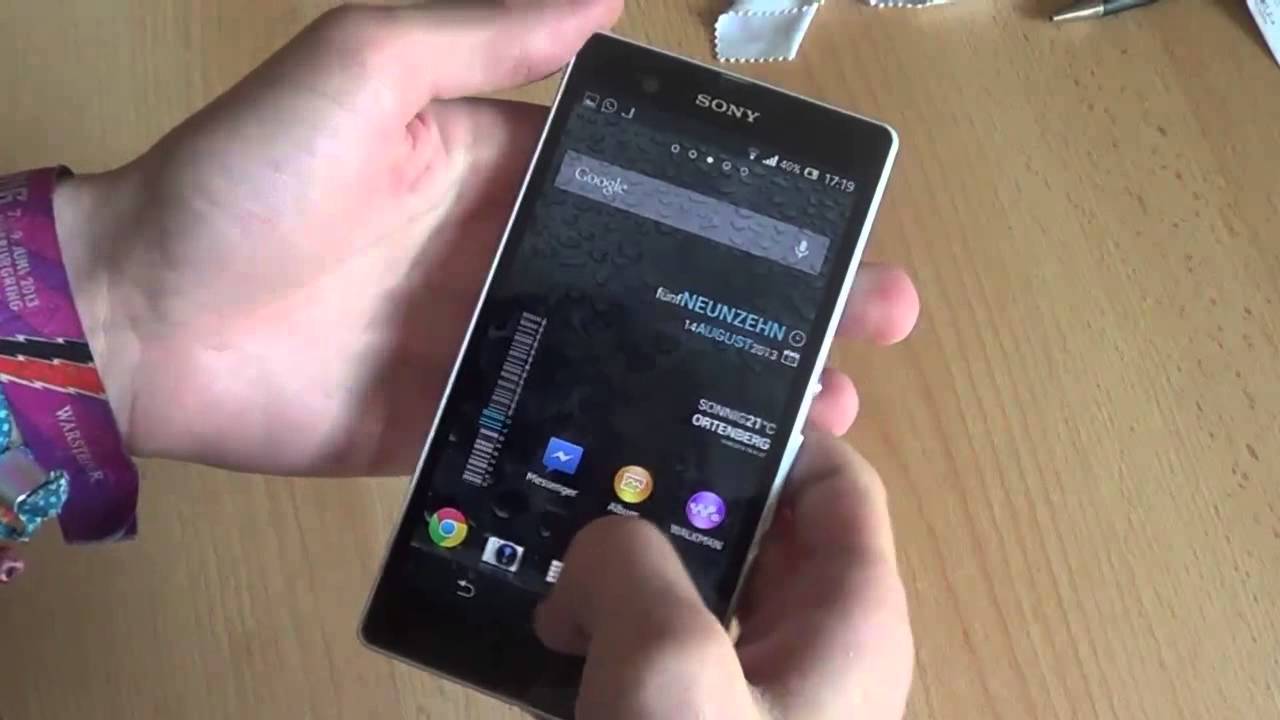
Moving to Xiaomi devices, a hard reset Redmi note 8 pro will erase all personal content, and you would consult the article on how to reset Android tablet for similar guidance on factory-wiping a non-responsive device. For the newer model, you can reset Redmi note 9 through the system panel or via the recovery menu if the phone is locked up, and you can reset Redmi note 9 by following each step in detail. On older Sony hardware, you may need to hard reset a Sony Xperia Z by navigating to Settings > System > Advanced > Reset options > Erase all data (factory reset) and confirming with your screen lock pattern or PIN; consult the guide on how to hard reset a Sony Xperia Z for the complete procedure. Sony also recommends removing an unencrypted SD card before beginning the wipe to avoid unintended data loss.
Resetting car and audio accessories
The exact combination varies by manufacturer and model year. Most modern devices respond to a long press of the power and volume-down keys held together for ten to fifteen seconds. Older models or those with removable batteries may need a different sequence. You should hold the power and volume-up keys instead. If the screen stays dark, plug the device into a charger for twenty minutes before you try again. A drained battery often mimics a dead motherboard.
System-level software issues that survive a standard reboot call for deeper intervention. You must navigate to the system recovery menu to clear the cache partition. Power the phone off completely first. Then press and hold the power, volume-up, and home keys simultaneously if your device has a physical home button. Release the power key only when the device logo appears while keeping the other keys pressed until the recovery screen loads. Use the volume rocker to scroll to the wipe cache partition option. Press the power key to select it. This process removes temporary system files without touching your photos, contacts, or messages.
A full factory reset becomes necessary when persistent errors, forgotten credentials, or malware make the phone unusable. Back up your data to a computer or cloud storage before you proceed. Open the system menu and choose General Management. Select Reset. Tap Factory Data Reset. Scroll past the warning and confirm the action with your screen lock pattern or PIN. The device will wipe itself and restart with a clean operating system. For phones that cannot boot normally, you must enter recovery mode using the hardware key method. Select Wipe Data/Factory Reset from the menu and confirm the choice. This erases everything, including the Google account lock on older OS versions.
Manufacturer-specific shortcuts differ enough to cause confusion. A Google Pixel device restarts with a brief press of the power key. A forced reboot requires holding that same key for thirty seconds. Galaxy devices from the South Korean electronics leader use a different approach. Press and hold the volume-down and side keys together. On newer foldable models, you must hold the side key and volume-down key simultaneously for seven seconds. OnePlus phones respond to holding the power and volume-up keys. Motorola handsets use the power key alone for a long press. You should search the support page for your exact model number if these standard methods fail.
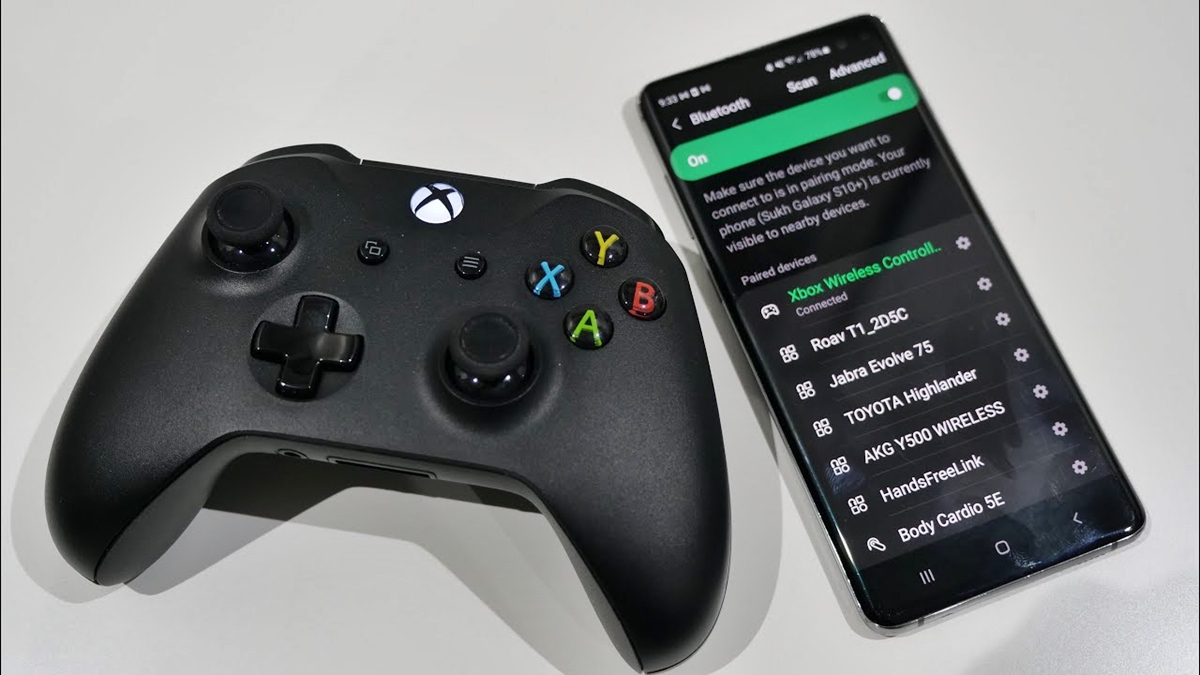
Touchscreen calibration problems sometimes mimic a frozen operating system. Before you assume the phone has crashed, clean the display with a microfiber cloth. Remove any screen protector that has trapped dust or air bubbles. If the digitizer still ignores your taps, you can force a restart using the hardware keys described above. Clearing persistent audio glitches in the car often means addressing the head unit and the transmitter separately. Before you take more drastic measures, a simple power cycle can resolve frozen screens or stuttering playback without wiping your saved stations. If the interface remains unresponsive, you may need to reset a Pioneer Mixtrax touchscreen. For standalone devices, connection drops and static usually trace back to corrupted pairing data rather than hardware failure. You can often clear these faults when you reset FM transmitter units. If you own a specific model that refuses to connect, restarting Scosche Bluetooth FM transmitter hardware may help, but the most reliable fix involves opening your phone’s Bluetooth menu to forget the device entirely before re-pairing from scratch.
Scheduled power cycles keep a phone running smoothly. You should set a recurring alarm to shut down the device once per week. Let it sit powered off for two minutes before turning it back on. This habit clears temporary memory leaks and resets network handshakes. Automatic restart features now appear in the device care section of many system menus. You can program the phone to reboot itself at a set time on a chosen day. Enable this option if you rarely remember to do it manually. The feature skips the scheduled reboot if you are actively using the phone, if the battery is critically low, or if an emergency call is in progress.
Network and connectivity problems often masquerade as a need for a full system refresh. Before you wipe anything, toggle Airplane Mode on and off. This forces the modem to renegotiate its connection with the tower. If Wi-Fi calling drops or Bluetooth stutters, you should reset only the network settings. Open the system menu and go to General Management. Select Reset. Choose Reset Network Settings. Confirm the action. This erases saved Wi-Fi passwords and paired Bluetooth devices but leaves your personal files intact. A complete reboot of the phone should follow this step to rebuild the connection cache from scratch.
Advanced recovery and missing apps
When a standard restart leaves you with a blank spot where an essential app used to be, you may need to get play store back on your phone before you can restore anything else. Because the Play Store is a preinstalled system app on supported Android and Chromebook devices, it cannot be permanently deleted through normal use, but it can be hidden or disabled. Open Settings > Apps or Settings > Apps & notifications, tap See all apps, and show system apps if the list does not include it. If you find Google Play Store, tap it and choose Enable; should it still not appear after a reboot, Google advises contacting your carrier or the device manufacturer. For problems that run deeper than a missing launcher icon, you might consider whether you need to root your Android phone to gain low-level control, though no official Google documentation supports a step-by-step rooting process and proceeding without a verified method tied to your exact model can leave the device unstable. Not every recovery task involves a phone at all: if you need to reset Xiaomi air purifier hardware, the exact reset steps, menu paths, supported models.