




First, understand the basics of cell phone facts
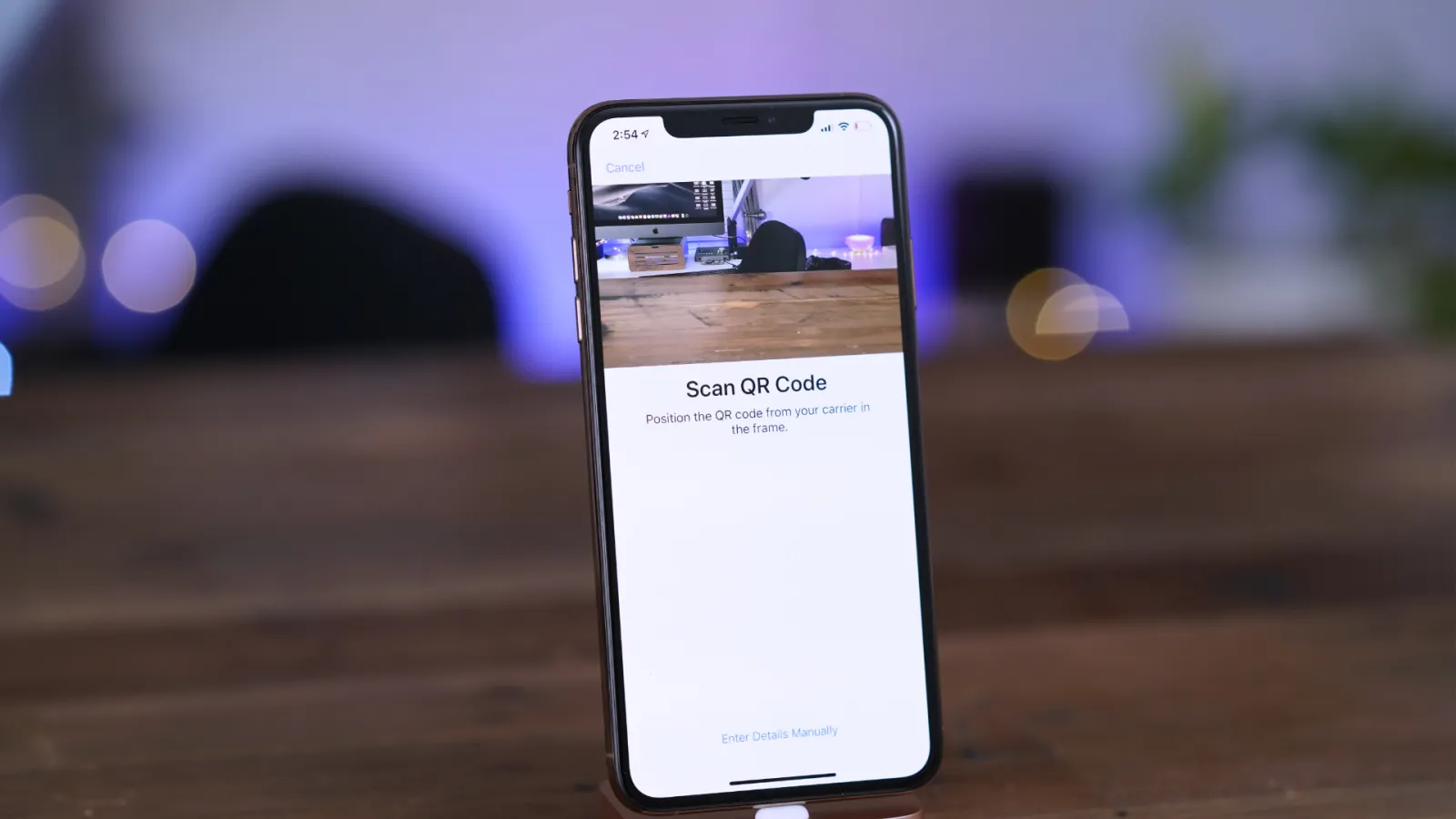
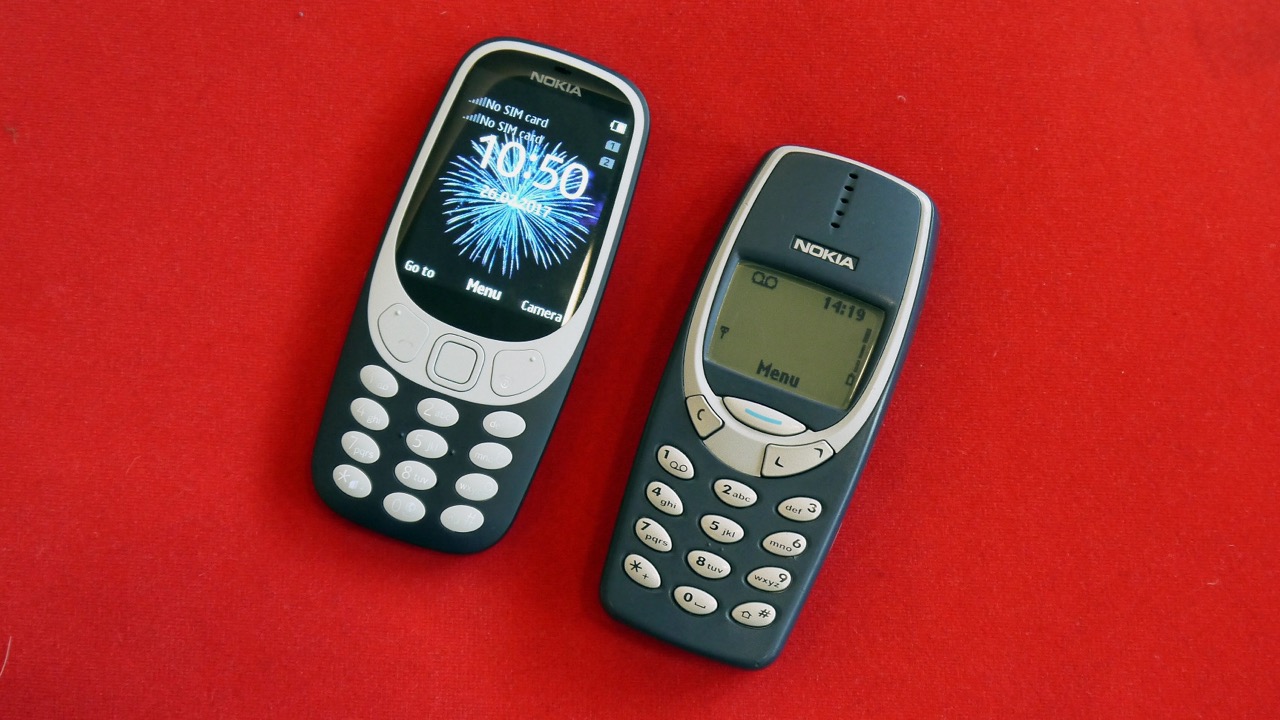
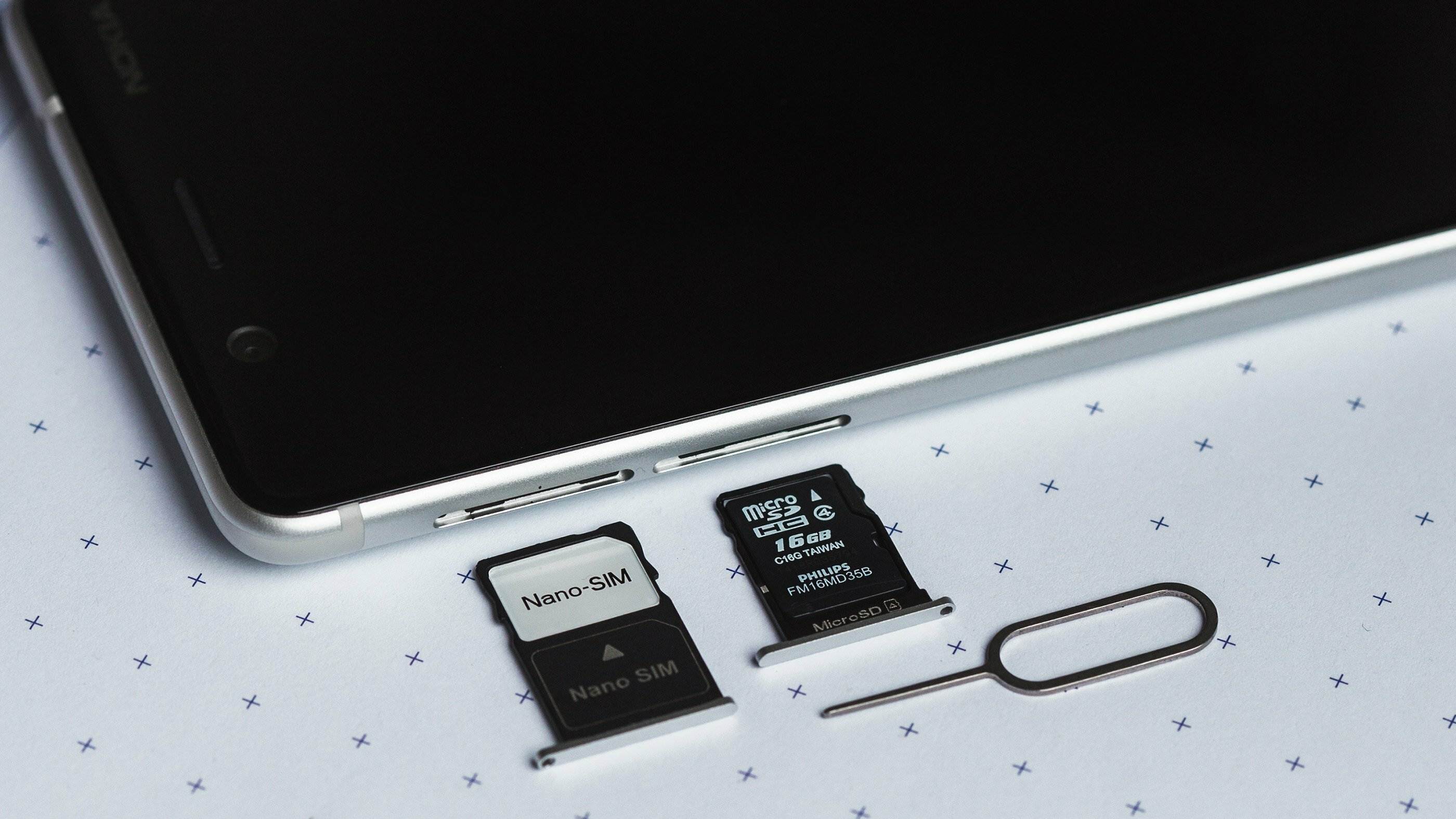
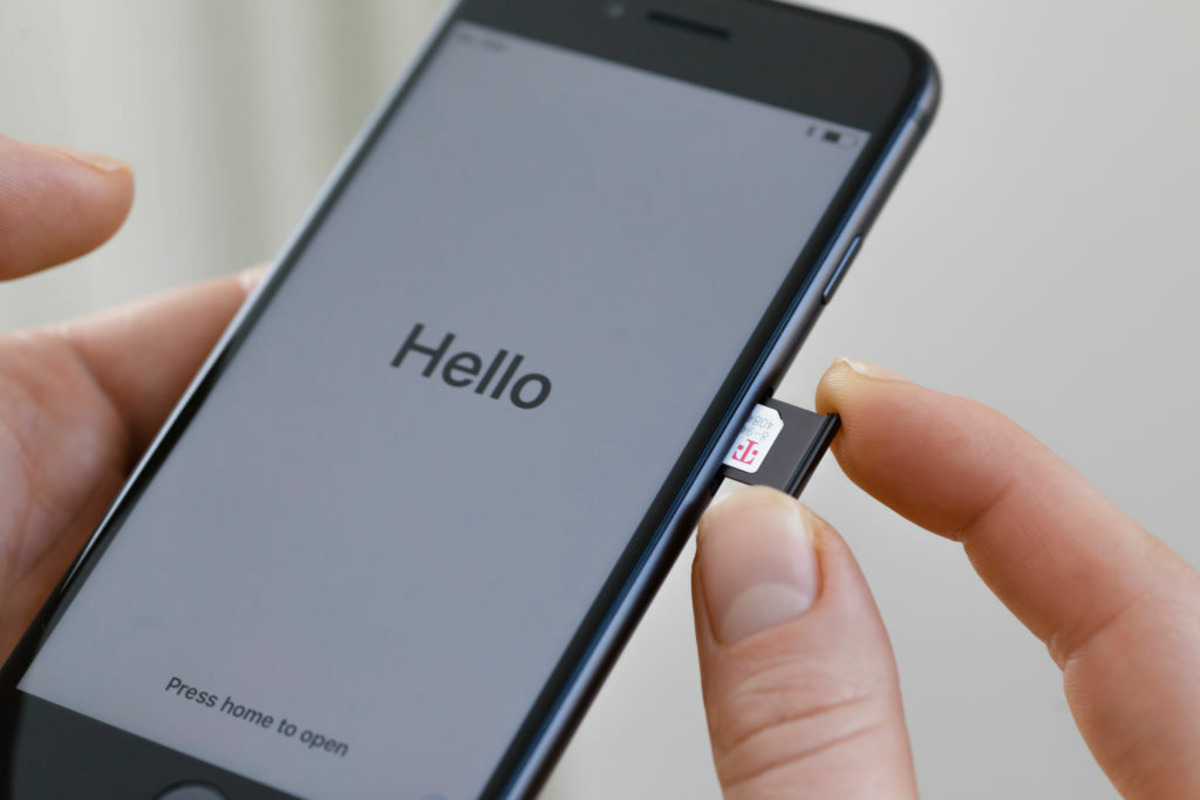
If you are looking for reliable cell phone facts and practical usage tips, it helps to know that the modern cell phone world includes the open Android ecosystem and Apple’s tightly controlled iOS walled garden. The journey to this point started decades ago. Many people are surprised to learn that the first mobile call was the cell phone invented moment back on 3 April 1973, when a Motorola engineer placed a call from a New York street. The question of when was the first touchscreen phone created points to the IBM Simon, which appeared in the early 1990s, though sources disagree slightly on whether the release year was 1993 or 1994. That same device is often cited in answer to the query about the first smartphone ever made, blending a calendar, an address book, and early apps into a single pocketable unit. If you are looking for a quick grounding, a few of the 5 facts about phones worth remembering are that the first mobile phone call was in 1973. Apple’s earliest entry is simply listed in its own manuals as iPhone (original). Modern iPhone setup may use an eSIM or a physical SIM card. To understand how these devices affect daily life, you can read about the negative impact of mobile phones and why managing screen time matters. For a clearer overview of device categories, consider learning about the two main types of cell phones and how they differ in operating systems. Finally, to distinguish between feature phones, smartphones, and other models, check out the 3 types of phones and their unique uses.
Choosing your next phone
Before you lock yourself into any one brand, it is worth scanning the wider landscape of 15 impressive phone brands you must know, because the familiar names at your local carrier store represent only a fraction of what is available globally. That search often leads people to a specific question about Xiaomi's absence from the US market, which means you will not find their latest hardware on domestic store shelves. The situation shifts when you look east, where the dominant phone is mostly used in China and domestic giants run heavily customized versions of Android that feel quite different from the Google-flavored experience you may be used to. If you are bringing your own device to a carrier, you will want to check the list of Spectrum Mobile compatible phones before you buy; the network officially supports current models from Apple, Samsung, Google, and Motorola, and if you plan to use an eSIM you will need at least an iPhone 12 series, a Galaxy S24 series, or a Pixel 9 or newer, plus many versions of iPad. For a family member who needs simplicity above all else, finding the best cell phone for seniors with dementia or Alzheimer's usually means setting aside the flagship race entirely and looking for a device with a physical home button and a stripped-down interface that removes the risk of accidental app deletion.
- 15 impressive phone brands you must know
- Xiaomi's absence from the US market
- Spectrum Mobile compatible phones
- phone is mostly used in China
Phone safety, lifespan, and habits
When your phone struggles to make it through the afternoon, the battery is almost always the culprit, and you can check exactly where yours stands. Apple documents a clear way to see the average cellphone lifespan of your battery, open Settings > Battery > Battery Health & Charging and look at the Maximum Capacity percentage; on iPhone 15 models and later with iOS 17.4 and later this screen also shows the exact cycle count. If you want to know how long your device should truly last, you will want to read the average cellphone lifespan article to set realistic expectations. A prepaid device bought for temporary use follows the same physical rules, and no official manual pins down a universal burner phone lifespan because its real-world longevity still depends entirely on battery age and how heavily it gets charged. To understand the limits of a temporary device, you will want to read the burner phone lifespan article for practical guidance. The conversation around Chinese phone safety often drifts into geopolitical speculation, but the safety facts documented by manufacturers focus on battery health and usage patterns rather than the country where a device was assembled. If you are concerned about data security, you will want to read the Chinese phone safety article to learn the real risks. If you want to get a handle on your own habits, Android’s Digital Wellbeing dashboard in the system preferences lets you see your daily phone usage hours and set app timers, though neither Google nor Apple prescribe a single recommended number of hours for everyone. To better manage your screen time, you will want to read the daily phone usage hours article for helpful guidelines.
Phones in everyday life
For many people the smartphone has become a wallet, map, and front door key rolled into one, yet its constant presence also fuels the cellphones in school policy debate as districts try to balance safety and distraction. A growing number of parents and educators who search for 3 reasons why phones should be allowed in school point to emergency communication, digital citizenship practice, and the use of built-in parental controls that let you set a schedule and choose which apps remain accessible during class hours. On an iPhone you can shape similar guardrails through the Screen Time settings, where you can manage your child’s device activity and lock the controls with a passcode. Exact rules vary by district, and some official policies now require devices to be turned off and stored bell-to-bell, making device-level controls a supplement to, not a replacement for, local policy. If the noise of constant notifications feels overwhelming, you might wonder whether it is still possible to live without a cell phone; the Downtime feature on both platforms can mimic that separation by limiting access during set hours, giving you a scheduled breather without going fully offline.
Getting started for beginners and seniors
If you are handing a smartphone to someone who has never used one, the first stop is the device’s built-in accessibility menu rather than the home screen. On an iPhone, you can start shaping the experience during the initial setup or later by going to Settings > Accessibility, and a triple-click of the side or Home button can be configured to toggle features like Zoom or VoiceOver to make the display easier to read and operate. For a drastically simpler interface that removes clutter, Apple’s Assistive Access provides a focused, grid-based layout that can help when you teach seniors to use a smartphone without overwhelming them with apps they will never open. The fundamental split between the open Android ecosystem and the tightly controlled iOS walled garden means that a senior’s repair options and app layout will differ sharply depending on which side of that divide you choose; a buyer who wants to sideload apps and visit independent repair shops may chafe at the restrictions immediately, while a buyer who values a polished, no-decisions-needed experience may welcome that same control.
For a child, the decision starts not with a spec sheet but with a conversation about maturity. The American Academy of Child and Adolescent Psychiatry notes that not every child has their own cell phone by age 11, which serves as a useful benchmark rather than a rule when you are weighing the appropriate age for a child's first cellphone. No official source sets a fixed minimum age, so the more practical step is to use the parental controls that both platforms offer to lock down the device once you decide a child is ready.
Buying, selling, and sales know-how
When you are ready to move on from your current handset, the quickest way to get a fair offer is often to sell my cellphone directly through the manufacturer’s own trade-in program. For an iPhone, that means signing out of iCloud and the App Store, then erasing personal data through the phone's settings before you hand it over, because skipping that step leaves Activation Lock tied to your account and makes the device unusable for the next owner. Samsung also runs a trade-in program that accepts eligible devices including smartphones, tablets, smartwatches, PCs, and earbuds toward a new qualifying purchase.
Knowing where a device is assembled matters less for safety than for understanding repair-part availability and software variation. Official support pages do not publish a running list of cell phone manufacturing locations, so that detail is rarely documented by the brands themselves. The more practical takeaway is that an open ecosystem handset might have components sourced from a wider range of suppliers, which can affect how long you wait for a replacement screen compared to a tightly controlled model.
If you work the floor and want to be a better phone salesman, the most effective move is to stop reciting megapixel counts and instead ask whether the customer has ever felt locked into an app or accessory they already own. Framing the choice around daily frustration rather than brand loyalty tends to close more sales than any spec sheet ever will.
Deep cuts for enthusiasts
Beyond the daily duopoly, enthusiasts often explore a top 10 mobile OS you can use as Android alternative to breathe new life into aging hardware or escape Google’s data-collection framework. The most practical options, like GrapheneOS or LineageOS, focus on hardening security and stripping out proprietary services. Installing them typically requires an unlocked bootloader, a step that immediately trips a factory reset and voids standard warranty support in several regions. Because these open-source projects rely on community-maintained builds rather than carrier certification, you may lose Wi-Fi calling or banking-app compatibility. That is the trade-off for a de-Googled experience.
Regional hardware loyalty reveals itself in the data behind these are the most popular Android phones in each state. Carrier bundling, in-store demo placement, and retail availability often outweigh raw specifications. A model that dominates the Midwest might barely register on the coasts, not because of performance differences, but because sales-rep incentives create localized momentum that online spec sheets never capture.
For those curious about the devices in the hands of high-profile figures, Elon Musk's smartphone choice tends to shift between a recent iPhone and a flagship Google Pixel, depending on the year. He has publicly criticized Apple’s closed ecosystem while still using its hardware for specific secure communications. The takeaway is less about brand loyalty and more about how even the most vocal open-ecosystem advocates sometimes reach for a tightly controlled device when convenience outweighs principle.
Using your phone as a remote control
Turning your phone into a universal remote goes far beyond changing channels, letting you manage real-world tasks from a single screen. You can control Nest thermostat from phone using the Nest app, though you will not find HomeKit support for these devices. The same pocket-sized convenience extends to errands, and when you need to pick up Uhaul mobile, the brand's app provides 24/7 chat and roadside assistance, but you will want to contact your location before arriving. The boundaries between your devices also blur in the other direction, because you can play mobile games on PC through the Google Play Games desktop app, which runs select titles even if you do not own an Android phone. This cross-device flexibility is where the ecosystem divide becomes tangible: an open platform lets you shift tasks between a wider mix of hardware, while a tightly controlled environment may limit which smart gadgets and game libraries actually talk to each other.
Frequently Asked Questions
How do I check my iPhone battery cycle count?
Open Settings > Battery > Battery Health & Charging. On iPhone 15 models and later running iOS 17.4 or newer, the cycle count appears directly on that screen alongside Maximum Capacity and manufacturing date.
Can I set a school-time schedule on an Android phone?
Yes, open the Family Link app, select your child, then tap Screen time > Schedules and turn on School time. You can set start and end times, choose which days of the week it applies, and pick allowed apps.
What iPhone models support eSIM on Spectrum Mobile?
Spectrum Mobile supports eSIM on iPhone 12 series and newer, Samsung Galaxy S24 series and newer, and Google Pixel 9 and newer. Many iPad versions also work with eSIM on the network.
How do I turn on Find My iPhone during setup?
Go to Settings > [your name] > Find My > Find My iPhone, then turn on Find My iPhone. This ties the device to your Apple Account and enables Activation Lock to prevent unauthorized use.
What is the maximum battery capacity for iPhone 14 models?
iPhone 14 models and earlier are designed to retain 80% of original capacity at 500 complete charge cycles under ideal conditions. Actual lifespan depends on regular use and charging habits.