



Understand how cellular data settings work
Your cellular data settings control the mobile broadband link that uses your carrier's towers, giving you internet access anywhere you have signal. When you dig into the cellular data & how does it work, you will see it is separate from Wi‑Fi, which is typically preferred because it does not count against your data plan, and your iPhone will automatically switch to cellular only when a Wi‑Fi network is unavailable or too weak. No single 4G versus WiFi speed comparison applies everywhere; speed depends on your location, signal strength, and congestion on the local cell, so at home a good router might be faster while in a moving car only cellular will keep you linked.
Toggling the master switch at Settings > Cellular, then toggling "Cellular Data" off cuts off that mobile link without making your phone go completely dark. Understanding the effects of disabling mobile data means knowing you can still use any app over Wi‑Fi, though Apple’s Wi-Fi Assist feature in Settings > Cellular will use cellular data automatically when your Wi‑Fi becomes unusable, and turning it off stops that safety net. The offline app functionality and data settings vary by app: anything requiring live information like maps or social feeds needs a link, while downloaded music or saved documents will work fine without one.
Turn mobile data on or off
Before you spend time digging through menus, it is worth pausing to confirm your carrier does not have a regional outage or a block on your account, because no amount of toggling will restore service if the problem is on their end. On an iPhone, the master control lives in the Settings app under Cellular, where the Cellular Data switch lets you cut off the mobile data link completely while keeping standard voice calls and SMS texts active. If your device uses multiple SIMs, that same screen lets you pick which line carries data. Apple also gives iPad users a slightly different label, and you might see Cellular Data as its own top-level menu item instead. How to turn cellular data on Android is documented in the official Android page under Settings > Network & internet > Mobile network, and the core principle remains the same: you are looking for a toggle that controls the modem. How to turn off data saver on Samsung is documented in the official Samsung page under Settings > Connections > Data usage, and that feature can silently block background activity. Separately, an iPhone might feel sluggish on a limited plan, and how to turn low data mode off is documented in the Apple support pages under Settings > Cellular > Cellular Data Options. For steps that may vary by brand, see the turn on mobile data on Android tablet guide. How to turn on mobile data on Samsung S20 is documented in the official Samsung page under Settings > Connections > Mobile networks, though this depends on your One UI version.
Switch network modes and bands
When your signal is weak or your battery is running low, you can often stabilize the link if you switch phone from 5G to 4G because LTE networks are more mature and use less power during routine tasks. On an iPhone, you reach this control by opening Settings > Cellular > Cellular Data Options > Voice & Data and choosing LTE or 5G Auto, though the exact choices shown depend on your provider’s provisioning.
The path to turn off 5G on Android varies by manufacturer, so you will need to look inside your device’s radio or connections menu rather than following a single universal recipe. If your handset drops to an older standard and gets stuck there, you may need to turn off T-Mobile edge by checking whether the operator has locked your mode selection, which hides the setting and controls what the phone can use.
A dedicated switch to turn off T-Mobile edge on iPhone is not available. Before you adjust anything else, it helps to tell what band your phone is using, but official pages may not document a built-in menu path on iPhone or Android for showing the active cellular band. You may need a field-test shortcut or a third-party utility to see whether you are camped on a congested frequency.
Fix cellular data not working
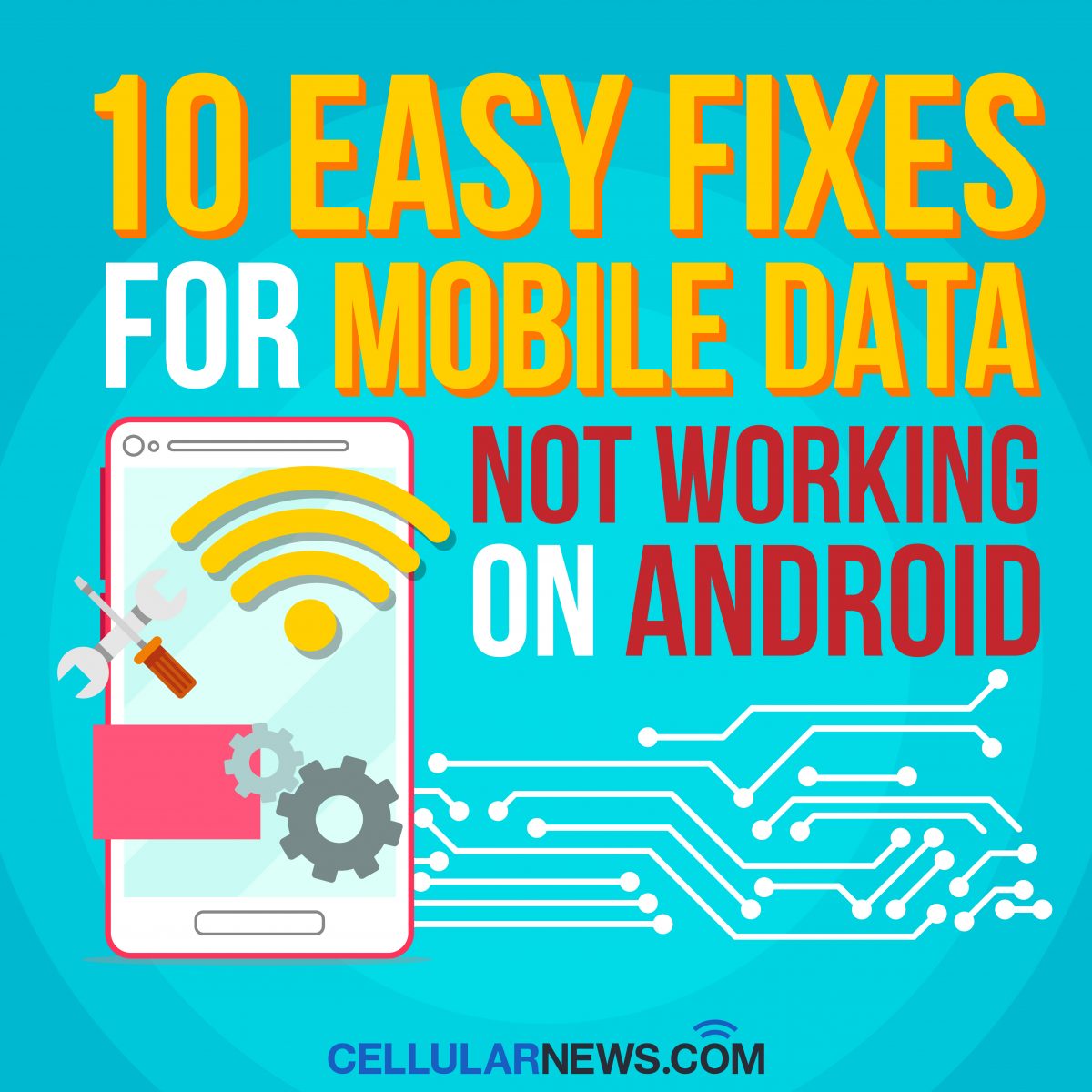
When your phone displays no service in the status bar, start by ruling out the account-level issues mentioned earlier before diving into device settings. If your provider confirms everything is active on their end, a forced reconnection often clears the glitch. On most Android phones you can open the quick settings panel, tap to turn Airplane Mode on, wait about 10-15 seconds, and then turn it off again. This forces the modem to re-register on the cellular system. For T-Mobile customers specifically, the official T-Mobile cellular data troubleshooting steps include testing whether a basic web page loads and sending a picture message. MMS failures point to an APN misconfiguration, while total data failures suggest a broader signal or provisioning problem. When you can link up but pages crawl, you can often stop buffering on Android phone by temporarily switching your preferred network type from 5G to LTE. A weaker but less congested 4G signal frequently delivers more consistent throughput than a fringe 5G link. If none of that restores normal speeds, the broader set of 10 easy fixes for mobile data not working on Android includes checking whether Data Saver is silently restricting background apps. You should also confirm your mobile data limit hasn't been reached. Understanding phone displaying no service causes helps you identify whether the issue is a temporary network glitch or a deeper hardware problem, so you can apply the right fix without unnecessary steps. As a last resort, resetting your network settings wipes saved Wi‑Fi passwords and Bluetooth pairings but leaves your photos and accounts untouched.
Manage data usage for downloads and streaming
When you want to watch something on the go, knowing how to download on cellular data can prevent a nasty surprise on your bill. The rules vary sharply between platforms. On an iPhone or iPad, Apple limits cellular data downloads to 100 MB or smaller. A download larger than 100 MB will simply refuse to start until you join Wi‑Fi. You can check whether your device is enforcing this cap by opening Settings > Cellular and confirming the main toggle is on, though this does not override the limit. The size gate itself is not a switch you can flip. If you try to download over cellular HBO Max, the app's help documentation instructs you to connect to a wireless network and start the download again. Because the data needed for a movie download can be substantial, these guardrails help prevent unexpected usage. They can be frustrating when Wi‑Fi is unavailable. For audio, you can listen to music without using data by turning off Automatic Downloads, which stops Apple Music items from downloading locally. Open Settings > Music and toggle Automatic Download off so your library does not pull fresh copies over the air. If an app refuses, the safest path is to locate a Wi‑Fi access point rather than hunting for a hidden setting that may not exist.
Set up and manage data roaming
When your phone latches onto a network that isn’t your home provider, the setting controlling whether apps can use that link is the one you will find if you search for data roaming on iPhone & should it be on or off. Apple’s guidance is to leave it off to avoid unexpected charges and only switch it on if you have an international plan or are willing to pay for connectivity. The path to turn on data roaming in iPhone 14 follows the same structure Apple documents for other models: open Settings, tap Cellular or Cellular Data, then tap Cellular Data Options, where you will see the Data Roaming toggle. If you use Dual SIM, make sure you first select the line you intend to modify before you reach that screen.
On the other side of the ecosystem, the option to enable data roaming on Realme is available in the device settings, though the exact menu labels shift by model. Before you flip that switch, confirm with your operator that your plan actually supports roaming at your destination, because a signal bar alone does not mean you are authorized to link up. Many providers require you to install a data pack or activate a travel add-on before your line will pass data abroad, and skipping that step can leave you stuck with a full signal and no throughput. If you roam frequently, also check whether your account has any automatic spending caps that could cut you off mid-trip, since those blocks look identical to a device fault but cannot be fixed by toggling settings.
Remove carrier restrictions and content filters
When a browser tab refuses to load a site that should be harmless, the block may not be coming from your device at all. T-Mobile’s account-level filter, Web Guard, can silently restrict content across an entire line. The filter offers multiple restriction tiers, and only the 'No Filtering' option fully lifts the restriction. The setting applies per line, not to the whole account at once, so choosing the correct line is essential. This is entirely separate from an in-app restriction like YouTube’s own limited mode, and adjusting your phone’s Safari or Chrome settings will not override a provider filter that is still active on the data service.
Frequently Asked Questions
How do I turn off 5G on a Samsung Galaxy S20?
Open Settings, tap Connections, then Mobile networks, and select Network mode to choose an LTE option. The exact labels depend on your One UI version and carrier provisioning, which may hide certain choices.
Why does my iPhone say SOS or No Service after traveling abroad?
Your carrier may require an international data plan or travel add-on before your line passes data abroad. A full signal bar does not mean you are authorized to connect, and automatic spending caps can also cut you off mid-trip.
How do I turn off Data Saver on a Google Pixel?
Open Settings, tap Network & internet, then Data Saver, and toggle Use Data Saver off. This feature silently blocks background app activity and can make your connection feel broken even when you have a strong signal.
Can I download a movie larger than 200 MB over cellular on iPhone?
No. Apple limits cellular downloads to 100 MB or smaller, and a download larger than that will refuse to start until you join Wi‑Fi. This size gate is not a switch you can flip in Settings.