



Plan your wireless network setup
A successful wireless network setup starts with a hard look at the gear you already have. The first step is to know what wireless router to buy, and that decision depends on the speed coming through the modem from your internet provider. Plug a laptop directly into the modem with a cable and run a speed test. If the numbers are far below your plan's rating, a new router will not fix a broken broadband link. Once the wired foundation checks out, turn to the devices you intend to link. On a desktop tower, you can quickly tell if my PC has a wireless card by checking for a wireless adapter in your system's network settings. Expand the Network adapters category and look for an entry with “Wireless” or “Wi‑Fi” in the name. On an iPhone, you will need to check if Wi‑Fi is 2.4ghz or 5ghz on iPhone to determine which band your device is connected to, since the iPhone's interface does not display a band label and checking the router’s own client list is often the clearest route. You may need to switch to 2.4 GHz Wi‑Fi on Samsung phone to reach smart-home gadgets that require the longer-range band, as many older devices only work reliably on that frequency. And when speed matters most, you can connect to 5.0 GHz wireless by selecting the appropriate band on your device. Keep your device close to the access point for the strongest signal.
Set up a new wireless router
Before you start on the software, the physical connections determine whether your system will be stable. Unbox the router, attach any included antennas, and use a LAN cable to link the modem to the router’s Internet or WAN port, then power on both devices and wait for the indicator light to confirm a ready state. Many early failures occur when someone tries to configure Wi‑Fi while the underlying high‑speed line is still down. For a typical home installation, the process to set up Netgear wireless router hardware leads you to the Nighthawk app, while for browser setup the default credentials are admin and password unless changed. If you need to connect Linksys wireless router nodes, the parent unit’s light should turn solid purple before you open the Linksys app and tap Set Up a New Wi‑Fi Network. You can set up a Comcast wireless router or set up my Verizon wireless router through their respective provider resources, though the exact prompts vary. If a laptop is not available, you can still set up a wireless router without a computer by joining the default SSID printed on the label from a phone or tablet and completing the configuration entirely through the vendor’s mobile application.
Connect computers and laptops to Wi-Fi
Before you change any software settings, confirm that the modem’s online light is steady and that a cable plugged directly into the laptop delivers the speed you pay for; a slow wired link means the broadband feed, not the radio signal, is the real bottleneck. Once the wired foundation is solid, you can connect PC to wireless internet by clicking the Wi‑Fi icon in the system tray, selecting your network, and entering the password. If you need to connect my Toshiba laptop to wireless internet, the same tray-icon method applies, though some older Toshiba models also have a physical slider switch along the front edge that must be in the “on” position.
To turn on wireless capability on Dell, use the notebook's wireless controls and confirm you are toggling the correct radio, as Wi‑Fi, Bluetooth, and mobile broadband can be disabled independently. On a machine still running the older operating system, you may need to turn on wireless capability in Windows 7 through the available network settings, and the wireless adapter driver must support the native WLAN device driver model. If the adapter was deliberately shut off, you can turn back on wireless capability by right‑clicking the adapter in Network Connections and choosing Enable, or by flipping that physical switch back to the active position.
Wire your own Ethernet cables
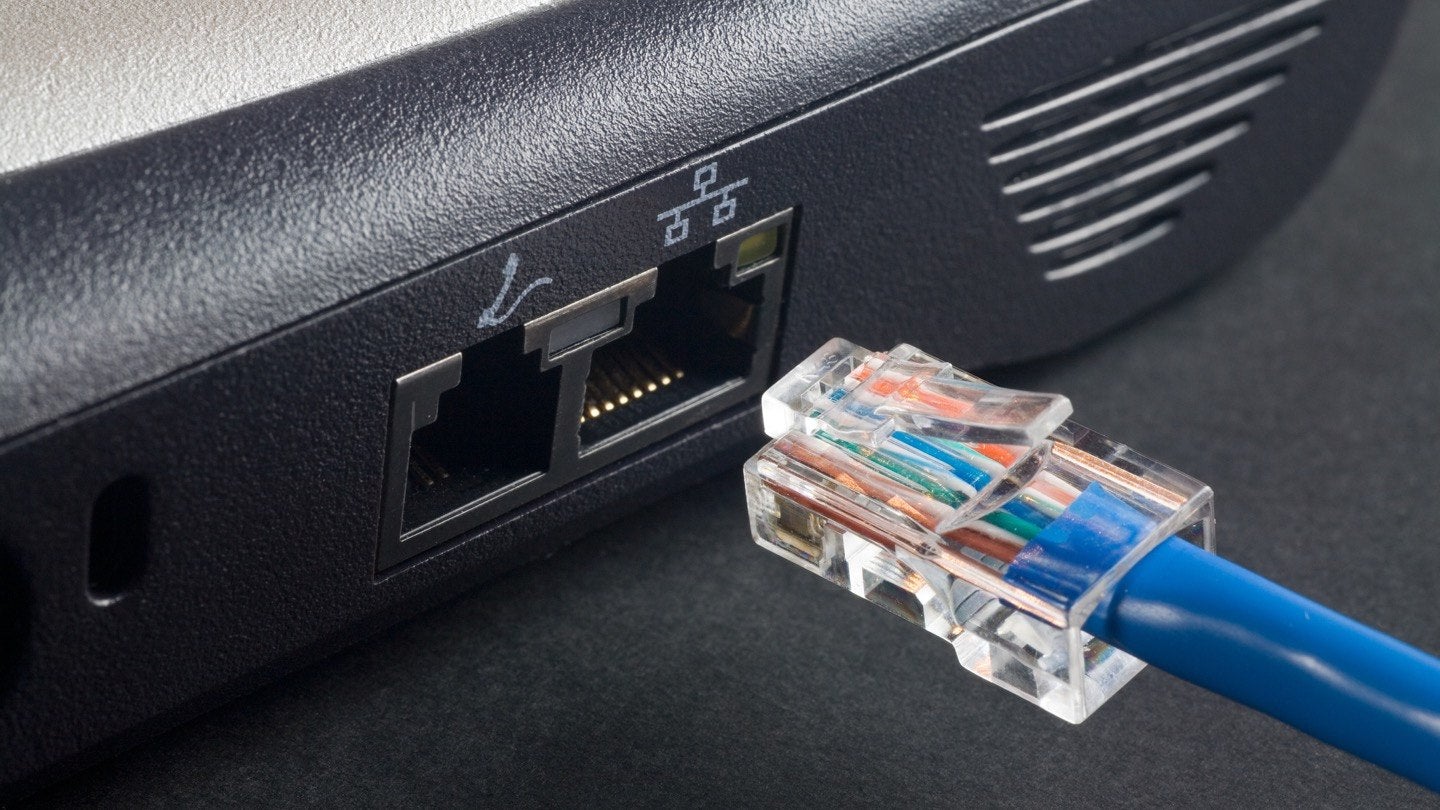
A useful skill is attaching an Ethernet connector to cable, which lets you cut a run to the exact length needed instead of coiling ten feet of slack behind a desk. For modern gigabit setups you will want to practice terminating a Cat6 cable. The thicker wire gauge and spline inside Cat6 demand a two-piece plug or load bar that keeps the pairs aligned all the way into the gold contacts. Once you have the right modular ends, the task becomes straightforward. The general approach is to strip back the jacket, fan the conductors into the T568B sequence, and then finish the job by crimping RJ45 on Cat6 with a ratcheting tool that seats all eight pins in one motion. At the wall end, if a jack was punched down sloppily or a port has gone dead, you start by releasing the plug from the wall socket. If you need to access the cable behind the wall plate, you can refer to the article on how to remove RJ45 connector from wall plate. Press the retaining tab firmly and pull straight out so you never bend the copper fingers inside the keystone. With the cable freed, you can inspect the termination or replace the run entirely, restoring the wired foundation that your wireless access point depends on.
Connect entertainment devices to Wi-Fi
A Hopper or Joey that buffers constantly is often reacting to a bad wired feed upstream, so make sure your broadband link is healthy at the modem first. If you want to connect dish network to wireless internet, you can follow the dedicated article that walks through the entire procedure for that specific setup.
For a multi-room setup, you will eventually need to connect wireless Joey to Hopper through a dedicated Wireless Joey Access Point. That access point creates its own 802.11ac signal just for the client boxes. It keeps their traffic separate from your regular Wi‑Fi.
Before that pairing will succeed, you must connect Hopper to wireless network. Have a compatible Wi‑Fi Adapter attached if the receiver does not include built-in wireless capability.
For satellite homes using the other major provider, no official support page was retrieved here that documents current steps to hook up wireless internet to DirecTV.
If you have a Google streaming stick and recently replaced your router, you can change wireless network for Chromecast by opening the Google Home app. Touch and hold the device tile and select the Wi‑Fi option. Keep both the old and new signals broadcasting during the switch or the app-based method will fail.
Across the Atlantic, no official support page was retrieved here that documents current steps to get wireless internet on sky box.
Make wired devices wireless
Before you open the software, the physical connections determine whether your setup will be stable.
Sometimes the challenge runs the other direction.
- share a wireless connection with a wired computer
- change to wired connection from wireless
- make an Ethernet connection wireless
- make Blu ray player wireless
- make a monitor wireless
Install wireless smart home and security devices
Confirm that the wired path delivering bandwidth to the room is healthy. A camera that keeps dropping offline is often reacting to a flaky internet link rather than a weak radio signal. When you install a wireless Ring doorbell, open the Ring app, tap Set Up a Device, and have your Wi‑Fi password ready near the router. The setup button lives on the back of first- and second-gen Video Doorbells and on the front of other models.
For a broader view of the property, you can connect wireless camera hardware from several brands. The pairing sequence varies. To set up Vivint wireless camera gear such as the Outdoor Camera Pro, the system expects the control panel to be powered and the LG Wi‑Fi Bridge provisioned first. If you chose a Lorex device, the steps to connect Lorex wireless camera models in the Fusion Wi‑Fi series start with scanning the Device QR code. Then use the app’s Add and Connect controls.
Tinkerers who want to make a wireless camera from a Raspberry Pi and a compatible module will need to handle the streaming software configuration themselves. When you install a wireless thermostat, the process typically begins at the HVAC control board. Match the labeled wires to the new base plate before the faceplate powers on and joins the system.
Connect other Wi-Fi devices and projectors
Before you adjust any of these settings, verify that the wired modem feeding your router is delivering the speed you expect. A sluggish projector stream or a tablet that refuses to authenticate often traces back to a broadband link that has dropped or never fully initialized, and when you need to link other Wi‑Fi devices and projectors, the process often starts on the equipment itself rather than on your phone or laptop.
For a Kindle Fire, swipe down from the top of the screen, tap Wireless, and make sure Airplane Mode is off before turning Wi‑Fi on, then select your system to connect to wireless network on Kindle Fire. If you need to connect Epson projector to laptop wireless, press the Menu button on the projector, navigate to the Network or Management menu, set Wireless LAN Power or Wireless Mode to On or Wireless LAN On, then choose Connection Mode and pick either a direct Quick connection or an Advanced mode that joins your existing router. The Quick Wireless Connection USB Key only works with Windows computers, so Mac users will need the Advanced path.
The steps to connect Verizon wireless modem and the way you connect to Boingo wireless cannot be given here. After you join a Boingo hotspot, a captive portal page appears for signing in.
Test and troubleshoot your wireless connection
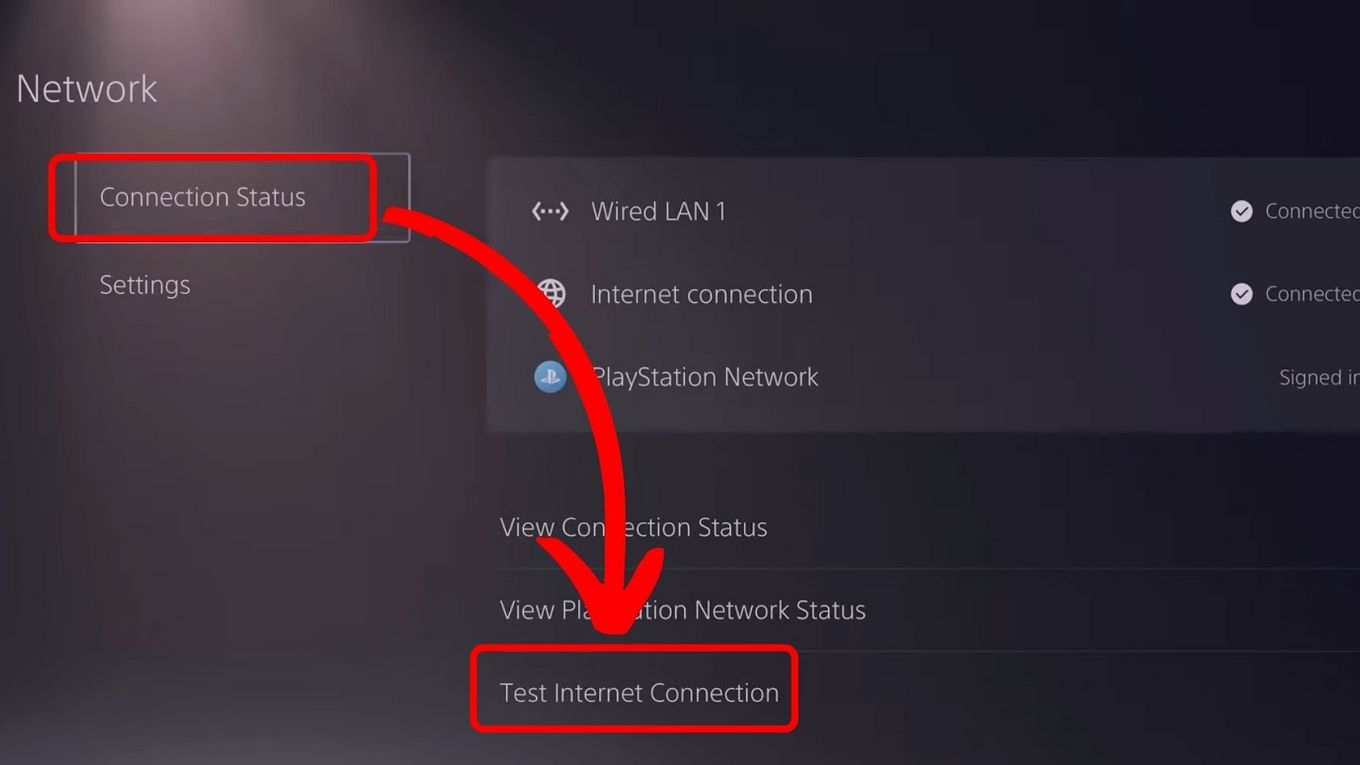
Before you adjust a single antenna or channel setting, connect a laptop directly to your modem with an Ethernet cable and run a quick speed test for wireless performance at the source. A weak radio signal is often just a symptom of a struggling broadband link. Once you confirm the wired feed is healthy, you can measure WiFi speed over the air with the FCC Mobile Speed Test app, available on both iOS and Android. Make sure your phone is linked to Wi‑Fi, then use the QuickCheck or Crowdsource mode to see what your access point is actually delivering to the room. If a MacBook shows full bars but webpages still refuse to load, quit all open apps, try to join the Wi‑Fi network you want to check, then hold the Option key and click the Wi‑Fi status icon in the menu bar, then choose Open Wireless Diagnostics. To learn how to open wireless Diagnostics Mac for a deeper dive into signal issues, you can follow the dedicated guide. This lets the built-in tool analyse dropped packets, signal-to-noise ratios, and conflicting network names. The resulting summary can take several minutes to generate and may prompt you for the access point name before it reveals whether the issue is a weak RSSI reading or something deeper in the chain. When the diagnostic report confirms that coverage, not the broadband line, is the bottleneck, you may want to test wireless connection using the same tool to isolate the exact problem. Reposition the hardware and adjust settings to make my wireless router faster by reducing interference from neighbouring systems and physical obstructions.